For a trip spanning six countries and roughly four weeks, accommodations are one of the most complex pieces of the planning puzzle. You are not picking one hotel. You are picking a dozen different properties across a dozen different cities and towns, each with its own character, its own price category, and its own strategic importance to how the trip flows.
Jen has done this for clients many times, and she has strong opinions about the accommodations question. The single most important factor, above location, above amenities, above breakfast included, is whether the property gives the family room to breathe. A cramped hotel room is exhausting on a two-night city trip. On a four-week family journey, it is genuinely demoralizing. So space has been our first filter throughout this process.
Our Accommodations Strategy by Country
Italy: Hotel in Milan, Rental on the Lake
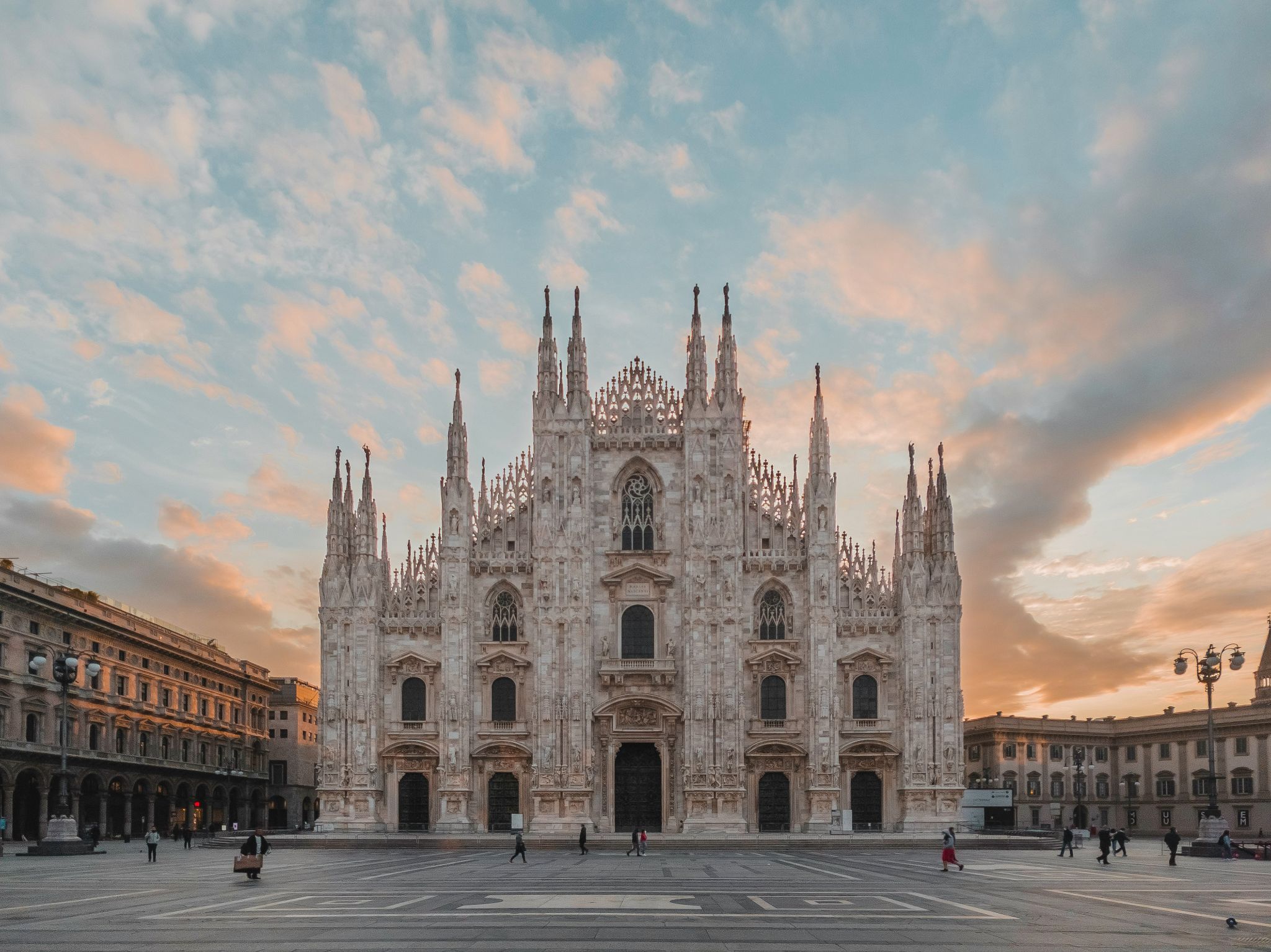
For Milan, we booked a hotel. Two nights, central location, proximity to the Duomo and the public transit network. Milan is a city where you want to be able to walk out the door and into it, so we prioritized neighborhood over room size. The hotel has connecting rooms, which solves the space problem adequately for a short urban stay.
Lake Como is different. The towns along the lake are small, parking is limited, restaurants get crowded at peak season, and the rhythms of daily life there reward a slower pace. We rented a villa-style apartment just outside one of the main lake towns. A terrace with a lake view, a kitchen for breakfasts and easy lunches, space for everyone to spread out. This is the kind of accommodation that becomes part of the memory, not just a place to sleep.
Switzerland: Mountain Hotels
Switzerland is where we are leaning most heavily into experience-forward accommodations. We have a mountain hotel booked in Engelberg that sits directly at the base of the cable car system. The rooms have views of the Titlis glacier. The breakfast terrace looks out at the Alps. We paid more than a budget option would have cost, and we have zero regrets about that decision.
In Lucerne, we are back to a city hotel with a better-than-average location on the lake. Lucerne is compact enough that almost any central hotel puts you within walking distance of the main sites, but we specifically wanted water views and the ability to watch the morning light hit the old bridges.
France: Paris Apartment, Alsace Gite
This was one of the clearest decisions we made. Paris with a family of five means an apartment. The math works, the space works, and the experience of actually living in a neighborhood rather than staying in a hotel block changes how you engage with the city. We found a three-bedroom apartment in the 7th arrondissement, a short walk from the Eiffel Tower and the excellent morning market on the Rue Cler. We will have coffee on our own terrace and walk to buy croissants. That is not nothing.
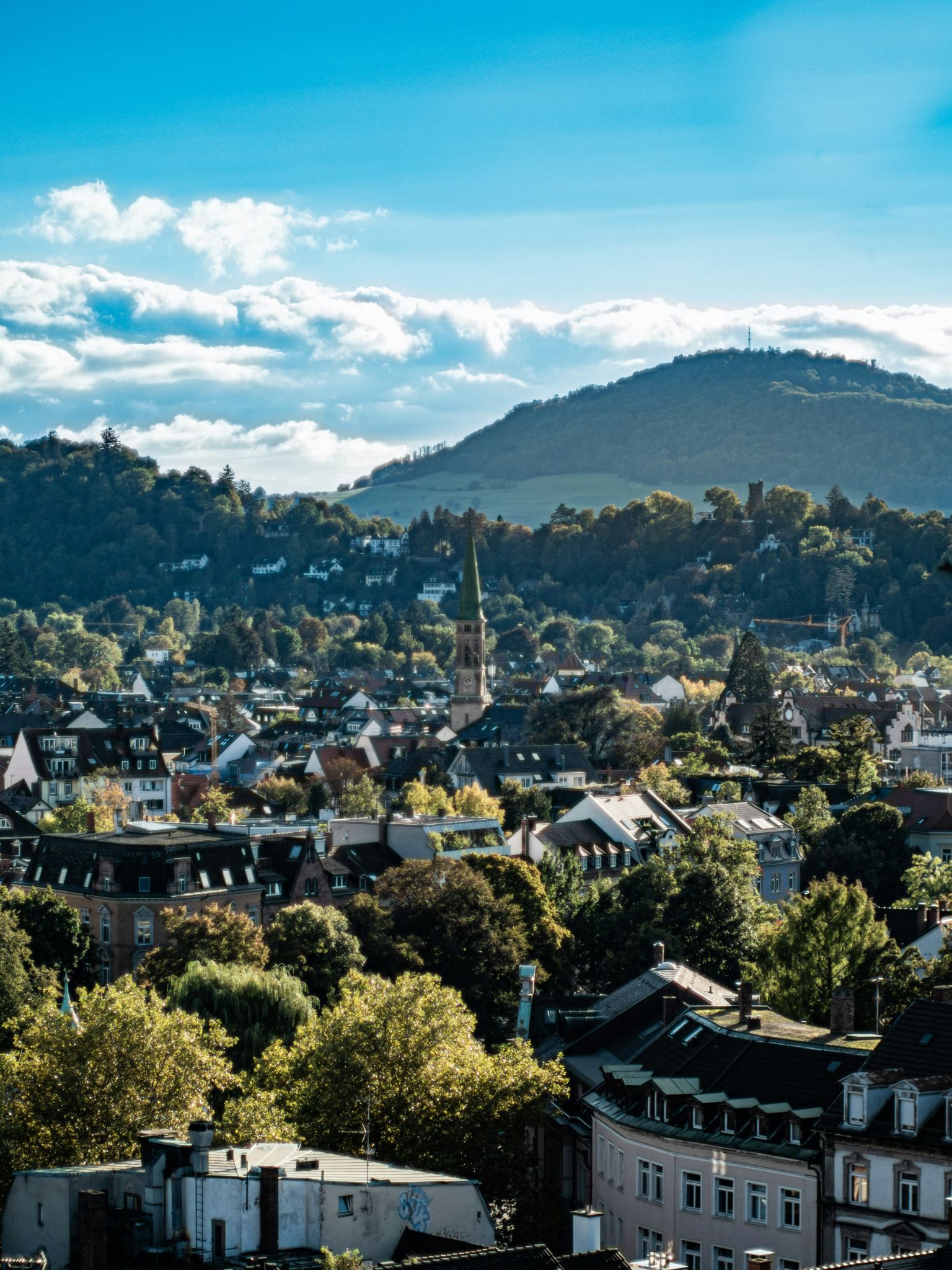
For Alsace, we are doing something different: a gite, which is the French term for a country rental property. Alsace has some of the most beautiful small towns in Europe, with half-timbered buildings and wine culture and a German-French hybrid identity that produces extraordinary food. A gite gives us a base in the countryside and the ability to day-trip into the villages without fighting for a hotel room in a peak-season tourist town.
Germany and Austria: Boutique Hotels
For the German and Austrian segments, we are using a mix of boutique hotels in city centers and one genuine splurge: a night in a castle hotel along the Rhine. This is exactly the kind of experience that makes a long trip memorable. The kids will talk about it. We know they will.
Where you stay is not separate from the trip. It is part of it. The view from the breakfast table, the neighborhood where you walk after dinner, the quality of the sleep between big days. All of it matters.
What We Did Not Compromise On
Across all of the properties, there were three things we did not negotiate away:
- Breakfast or kitchen access: Starting each day without having to navigate breakfast logistics for five people keeps mornings manageable.
- Air conditioning or guaranteed cool rooms: July in Europe can be genuinely hot. Alpine properties are naturally cool. City properties need AC. We checked this for every booking.
- Reliable location: Every property is either walkable to the main sites or has clear, easy public transport access. We are not renting a car to be stuck using it every day.
Part 4 will cover what we are bringing and how we are packing for a family of five on a four-week summer trip through six countries. If you have thoughts about European packing strategy, find us on Instagram. We are genuinely still figuring some of this out.