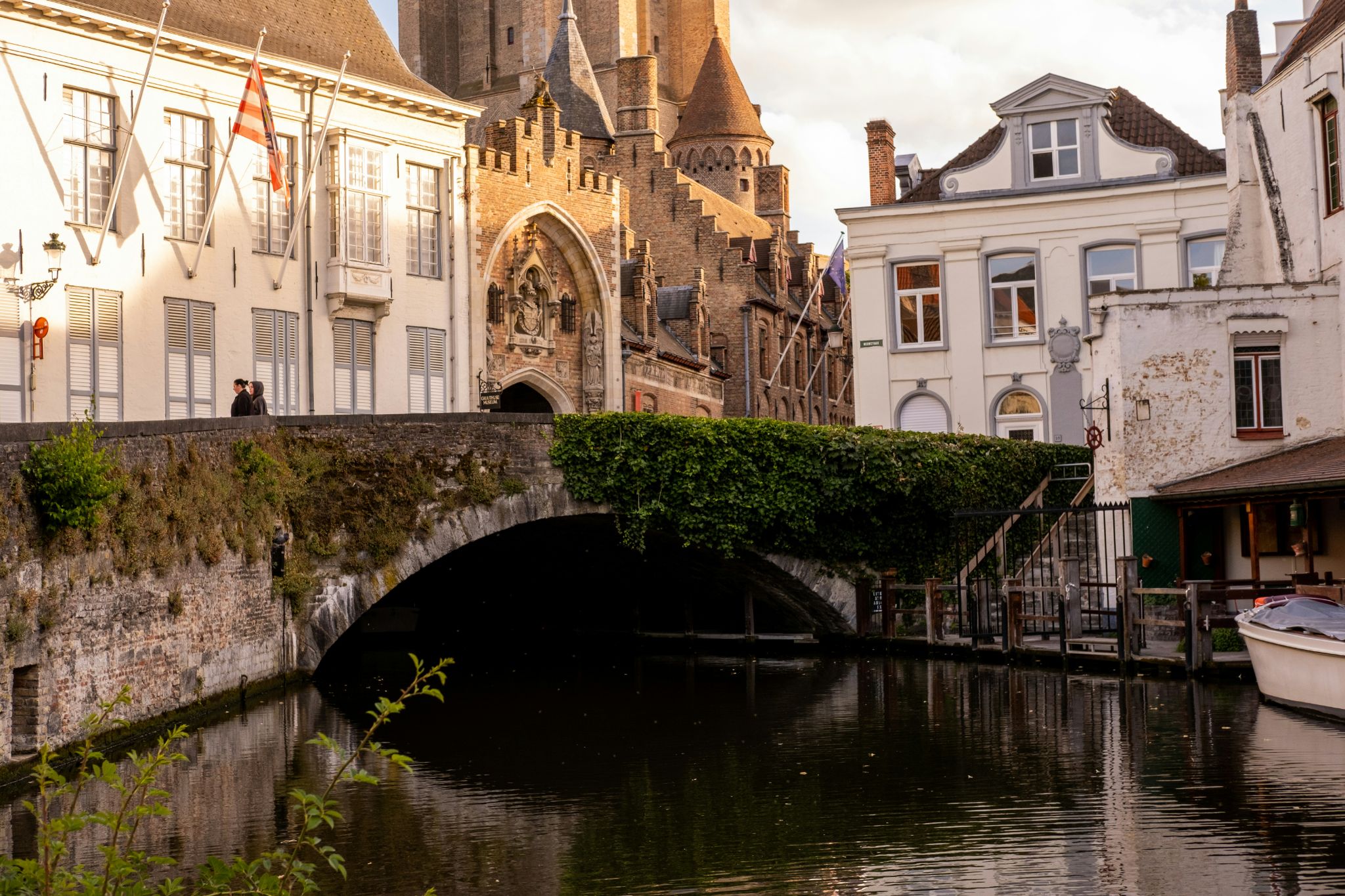
When we announced this trip in January, we knew the broad strokes. Italy to Switzerland to France to Germany to Austria and a quick dash through Liechtenstein. Six countries, one summer. What we did not have was any of the actual logistics. That has been the work of the past three weeks, and it has been simultaneously exciting and completely overwhelming.
Planning a multi-country European trip with a family of five requires a specific kind of strategic thinking. You are not just booking hotels. You are choreographing a moving operation where every piece affects every other piece. Flight times dictate first-night accommodations. Train schedules dictate when you arrive in cities. Arrival times dictate what you can actually do on day one. And at the center of all of it is the question Jen asks herself when planning trips for clients: what does the family actually want to experience, and how do we build the logistics around that?
The Confirmed Route
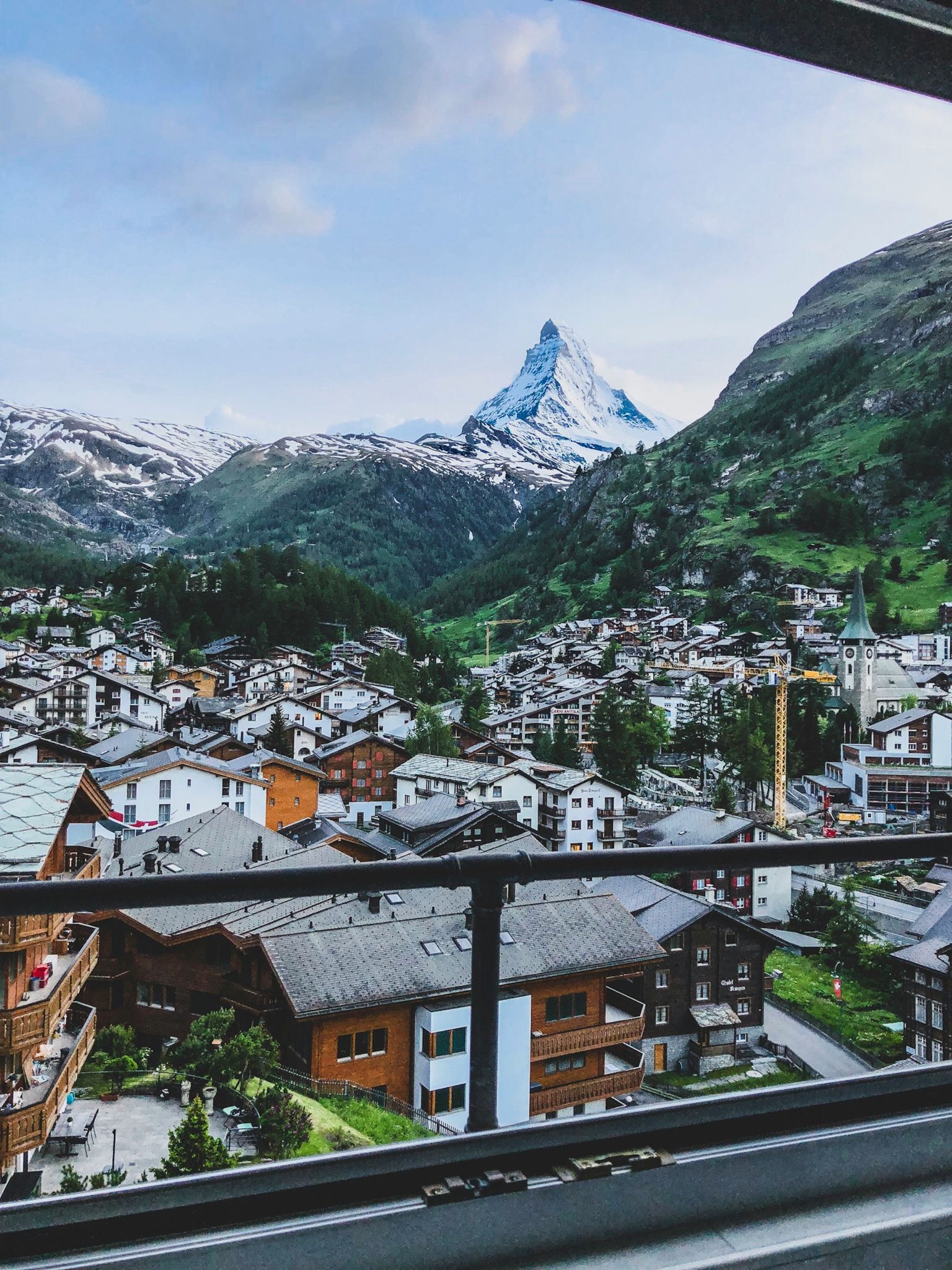
Here is where things stand. We are flying into Milan in early July. Milan gives us a great base for the first couple of days and puts us in easy reach of Lake Como for day trips. After the Italian Lakes, we are crossing into Switzerland through the St. Gotthard Pass, which is one of those legendary Alpine drives that we have had on our list for years. From there, we move through the Swiss Alps, spending meaningful time in Engelberg and Lucerne before heading west toward France.
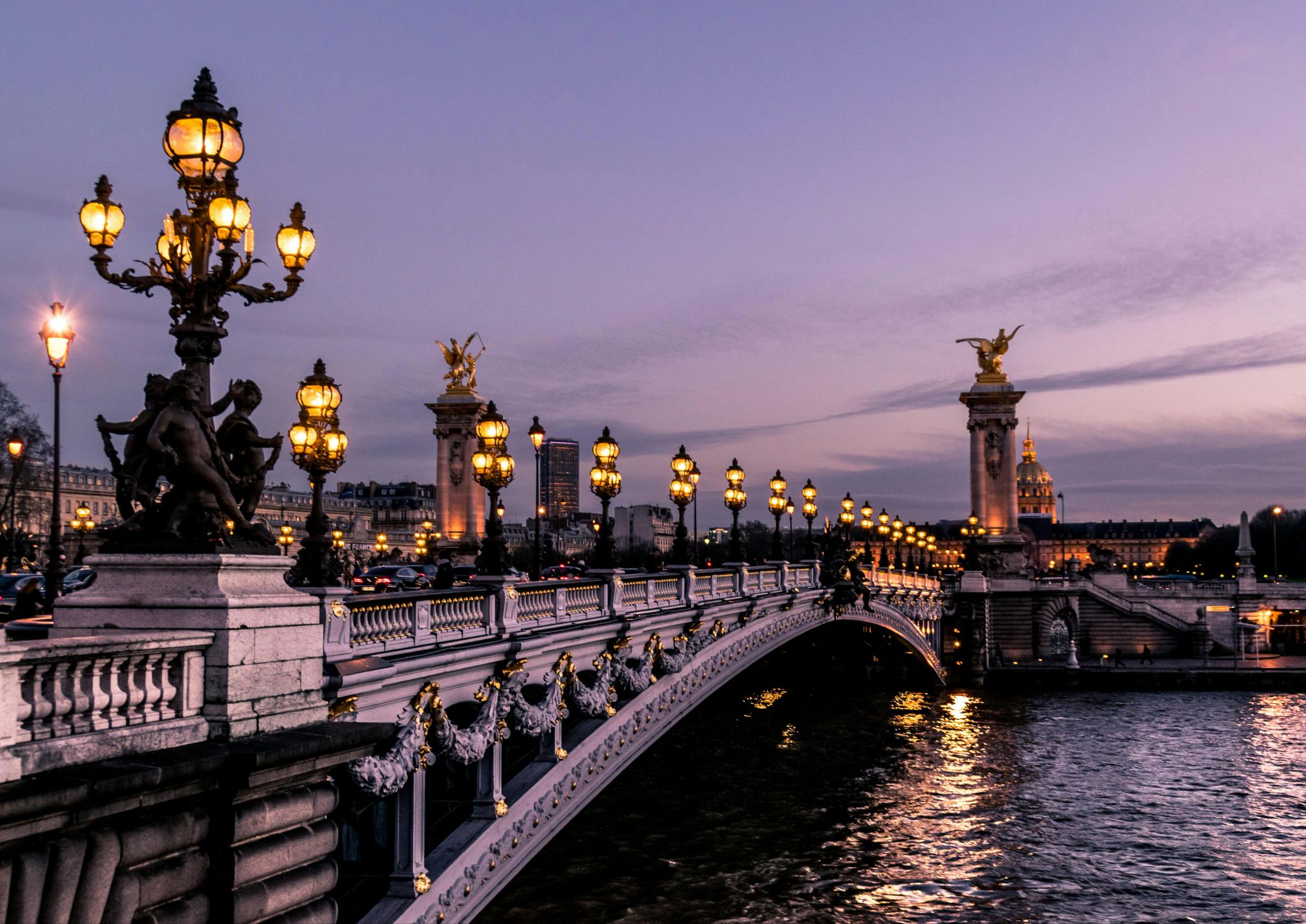
France gets a full week, split between Paris and the Alsace region along the German border. Then we swing through Germany proper, following the Rhine Valley south into Bavaria. Austria gets four or five days, with Vienna and Salzburg both on the itinerary. We finish with a quick stop in Vaduz, Liechtenstein, and then fly home from either Vienna or Munich, depending on how the final scheduling works out.

The Transportation Puzzle
This is where the planning gets genuinely complicated. Europe has extraordinary rail infrastructure, and we will use it heavily in the urban portions of the trip. The Eurostar, the French TGV, the Swiss rail network, Austrian trains, all of these are fast, comfortable, and efficient in ways that put American rail to shame. We are booking several key segments well in advance because European trains fill up, especially in summer.
But trains do not solve everything. The Swiss Alps in particular demand a car. You cannot experience the St. Gotthard Pass, wander up to a mountain viewpoint, or stop spontaneously at a village that catches your eye on an InterRail pass. So we are renting a car in Milan and returning it in France, then renting again for the German and Austrian portions. Two car rentals, connected by trains.
For a family of five, this math works. Trains in Europe are priced per person. Cars are a flat rate that becomes quite economical when you are splitting it five ways. The key is booking the right car, something large enough for luggage without tipping into full van territory, and using a consistent rental company to simplify the process.
The Biggest Decisions Still Outstanding
We have the skeleton. What we are still working through:
- Flight routing: Direct to Milan from Philadelphia or connecting through another hub? The time savings of a direct flight are real but the price difference is also real. We are still running the numbers.
- Paris accommodations: Apartment rental versus hotel. With a family of five, an apartment usually wins on space and cost. But the right apartment in Paris at a reasonable price is its own search project.
- The Rhine Valley timing: We are trying to schedule the Rhine Valley segment so that we can do a river cruise segment as well, which means matching our driving dates to available cruise departures. More coordination than we initially anticipated.
- The kids’ input: We have been running a somewhat informal family vote on activities and excursions. The results are occasionally surprising. Our youngest wants to see Liechtenstein more than almost anywhere else on the list, purely because of the novelty factor. Noted and honored.
A trip this size is not booked all at once. It is assembled piece by piece, each decision opening up the next question. That is actually the part we enjoy.
What We Are Learning About Planning at This Scale
Jen advises clients on exactly this kind of trip regularly, and one thing she always tells them is that the planning process itself is part of the experience. The research, the anticipation, the conversations about what you want to see and why, all of that is travel. It starts long before you board the plane.
We are finding that to be true in a new way when it is your own family trip. The stakes feel different. The questions feel more personal. And the moments of genuine excitement, when you book the mountain hotel with the view, when you finally land on the right Paris neighborhood, when you see the route on a map and it looks exactly like what you pictured, those moments are their own reward.
Part 3 will cover accommodations in detail. We are taking a different approach for each country, and the reasoning behind those choices is worth laying out. Stay tuned.