Packing for a trip like this is a genuine project. Four weeks of summer travel through some of Europe’s most varied climates, from the heat of the Italian Lakes in early July to the cool Alpine air of the Swiss mountains to the occasional unpredictability of a Paris summer, requires a specific kind of wardrobe thinking. Then multiply that by five people, each with their own strong opinions about what they absolutely cannot travel without.
We have been thinking about this since January, and in the last few weeks the actual packing strategy has come together. Here is where we landed.
The Core Principle: Everyone Carries Their Own
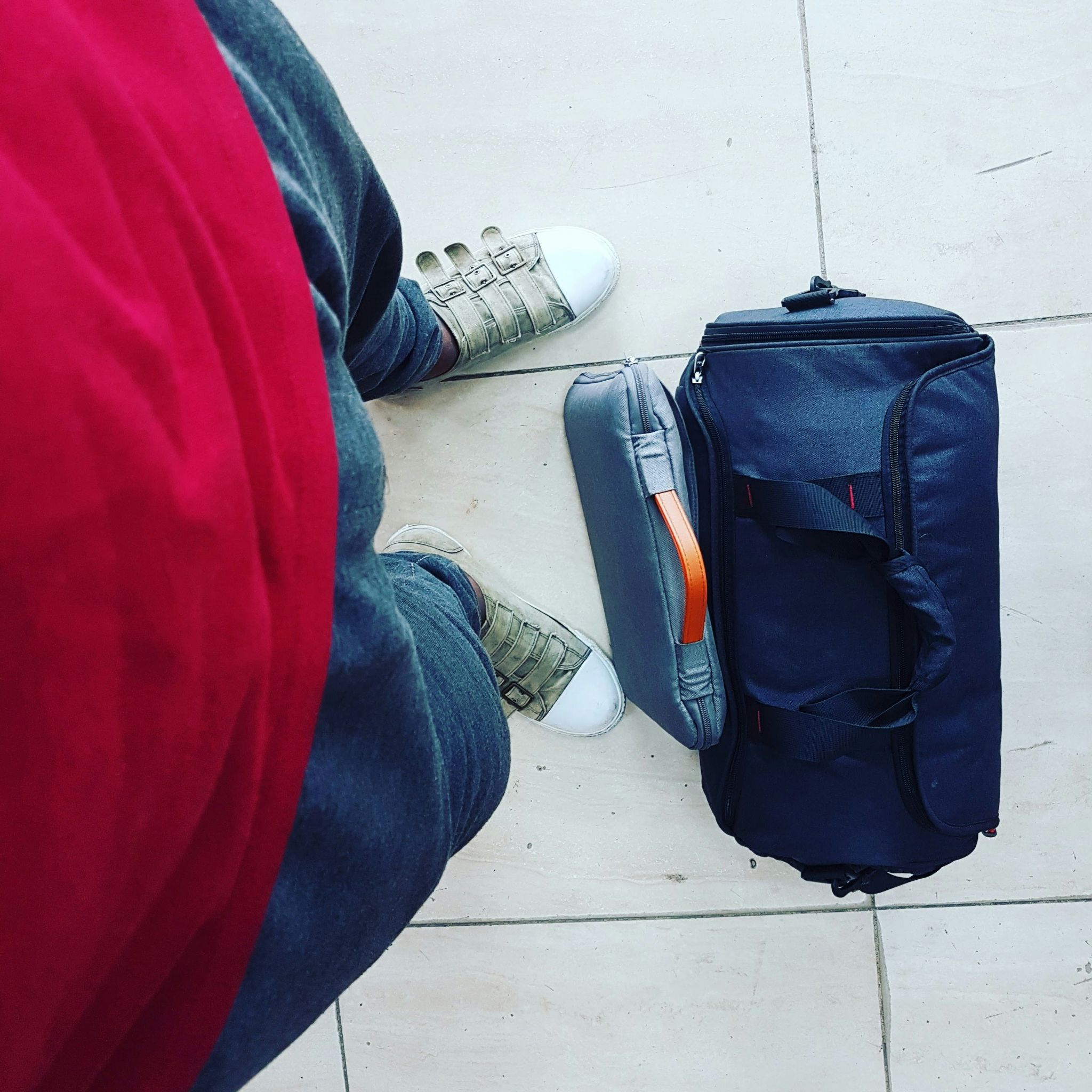
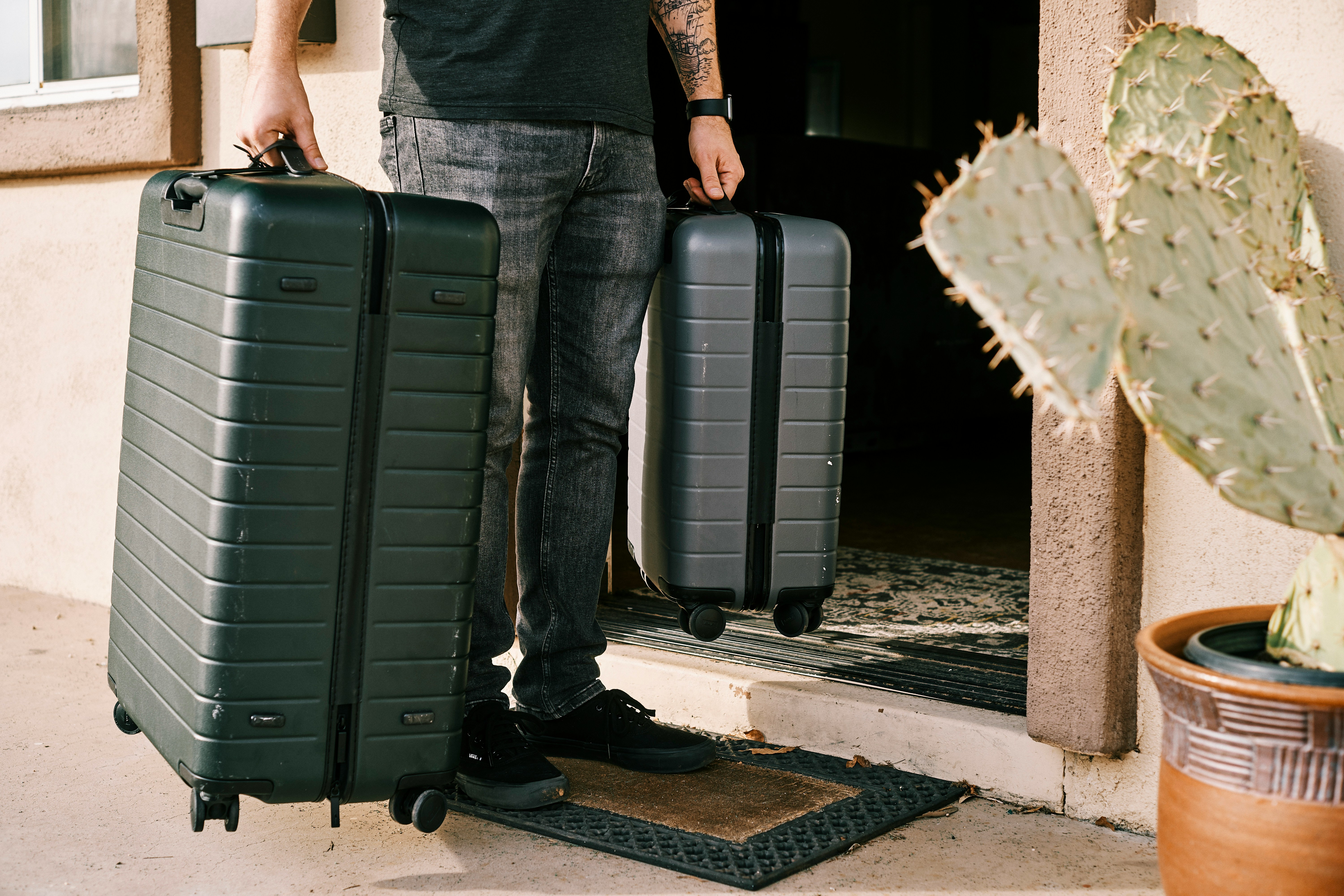
This is the most important rule we set from the beginning. Each person is responsible for their own bag. The two checked bags and three carry-ons approach that might work for a long weekend completely falls apart over four weeks. We are doing one checked bag per adult and carry-ons only for the kids, with a clearly defined volume limit.
The consequence of this rule is that everyone has to be selective. It turns out that teenagers are capable of making hard choices about what they actually need when the alternative is carrying it themselves across train platforms, up hotel staircases, and through Italian airports in July heat.
Climate Layering Strategy
The climate range on this trip is significant. Milan in early July can hit 90 degrees. Engelberg at altitude can be 50 degrees in the morning even in summer. France in July is warm but variable. Austria can surprise you with afternoon thunderstorms. Any packing approach that does not account for this variation will fail somewhere along the route.
Our strategy is layering over volume. We are bringing fewer items but items that can layer together across temperature ranges. A lightweight merino base layer works in Milan heat as a standalone and in Alpine cool as an underlayer. A packable rain jacket takes up no space and covers a week of unpredictable weather. Neutral colors that mix and match eliminate the need for dedicated outfits for every occasion.
The Footwear Problem
Footwear is where the packing logic always breaks down, because shoes take up space, are heavy, and are genuinely hard to compress. After much debate, we landed on a three-shoe maximum per person: comfortable walking shoes that can handle cobblestones all day, light sandals for evenings and beach days, and one pair of hiking-capable shoes for the Alpine segments. That is it. Three pairs, no exceptions.
The European cobblestone city is a shoe killer. We learned this the hard way on previous trips. The fashionable but completely impractical shoes that seem necessary when you are packing at home become a source of genuine regret by the second day in Rome. This time, practicality wins.
Tech, Documents, and the Practical Stuff
Beyond clothing, there is the category of things that are genuinely essential and take up less space than you think:
- Packing cubes: The single best travel investment we have ever made. They make unpacking in a new hotel take five minutes and allow everyone to find their own things without excavating a suitcase.
- A universal power adapter: Europe uses different plug types across different countries. One good universal adapter per adult prevents scrambling for hotel supplies.
- Downloaded maps and offline content: We do not want to depend on reliable WiFi for navigation or entertainment. Everything gets downloaded before we leave.
- Physical copies of key documents: Passports, insurance information, reservation confirmations. Digital backups are great. Physical copies are better when your phone is dead at a border crossing.
- A small first aid kit with any prescription medications: Getting specific medications in rural Switzerland or a small Austrian town can be complicated. We are not leaving this to chance.
The Do-Laundry Plan
Four weeks is too long to pack everything you need for four weeks. We are planning three laundry moments during the trip, roughly every ten to twelve days. Most European apartments and many hotels either have in-unit machines or easy access to a local laundromat. Building laundry into the schedule rather than treating it as an emergency makes it a non-event.
The best-packed bag is not the one with the most options. It is the one that is still manageable on the third week when you are tired and running late for a train.
We are four months out and everything is starting to feel very real. Part 5 will be the final pre-departure check-in, covering the last-minute preparations, the things we are most excited about, and honestly the things we are most nervous about. Because doing something this big for the first time as a family involves both of those things in equal measure.