Trip at a Glance
Why This Trip Worked So Well
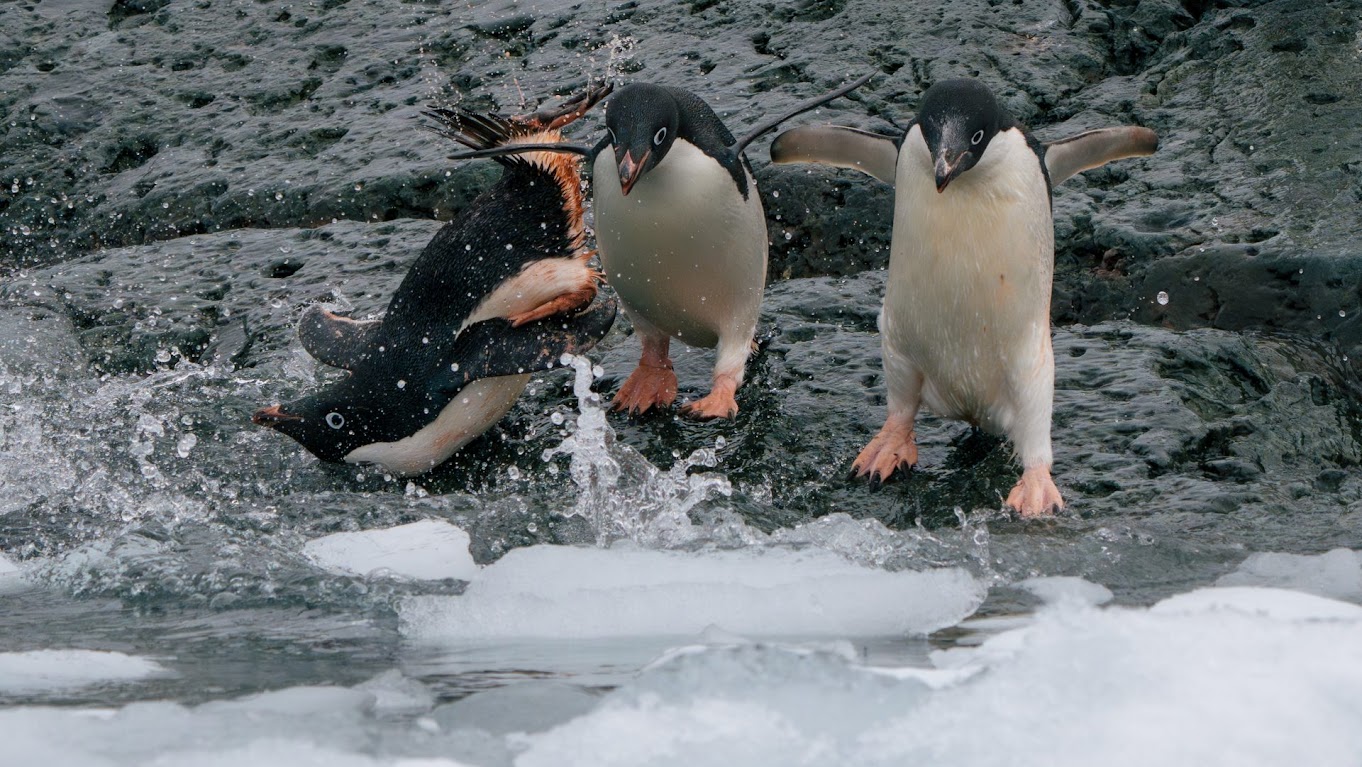
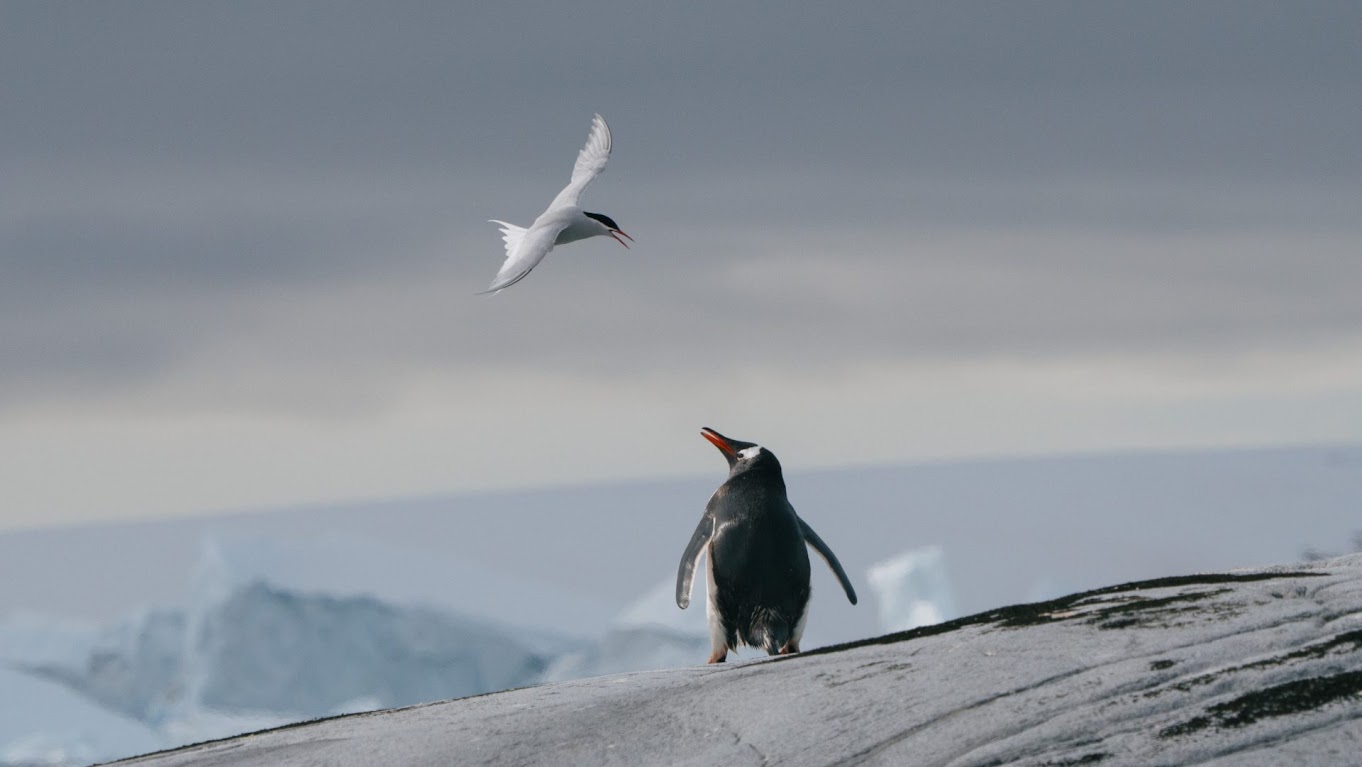
January is hard to beat for Antarctic travel. It’s the height of the austral summer - long daylight hours, active wildlife, and penguins absolutely everywhere. We encountered multiple species in large colonies: Adélie penguins with their tuxedo formality, gentoos with their distinctive orange bills, and chinstraps with the helmet-strap marking that gives them their name. All of them, at various points, completely indifferent to our presence in the best possible way.
Two weeks door-to-door felt exactly right - long enough to feel fully immersed in the rhythm of the expedition, short enough that it didn’t feel like a month-long project requiring extended leave from normal life. The balance was ideal.
The expedition rhythm itself is a feature, not a bug. There’s no fixed daily schedule on an expedition ship. Conditions drive the plan. If a zodiac landing spot becomes unavailable due to weather, the ship moves to something better. This flexibility, which can feel uncertain in the planning phase, becomes one of the genuine pleasures of the experience once you’re on board.
What an Entry-Level Itinerary Actually Looks Like
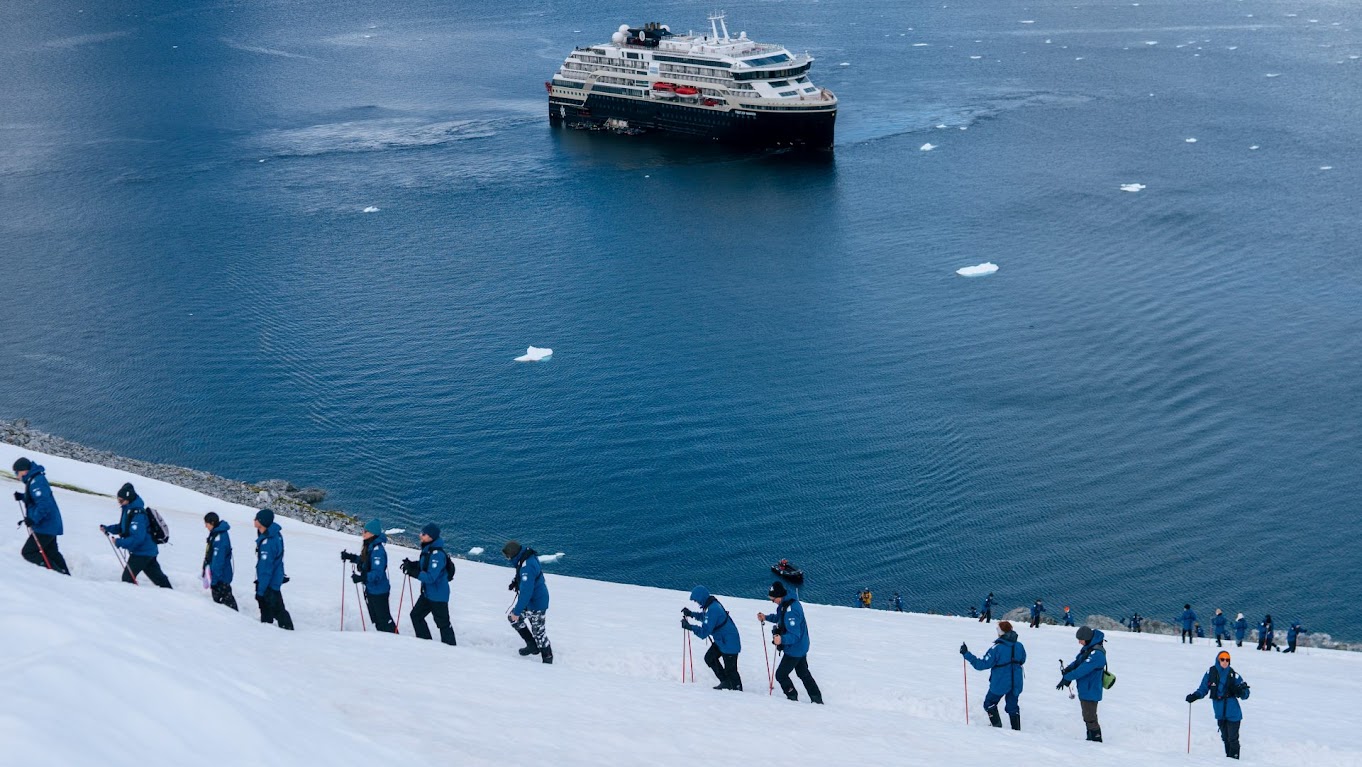
The word “entry-level” requires some context, because it can sound like a qualifier. It isn’t. This is not an extreme expedition - there is no mountaineering, no technical gear requirements beyond what HX provides, no survival training required. What an entry-level itinerary is:
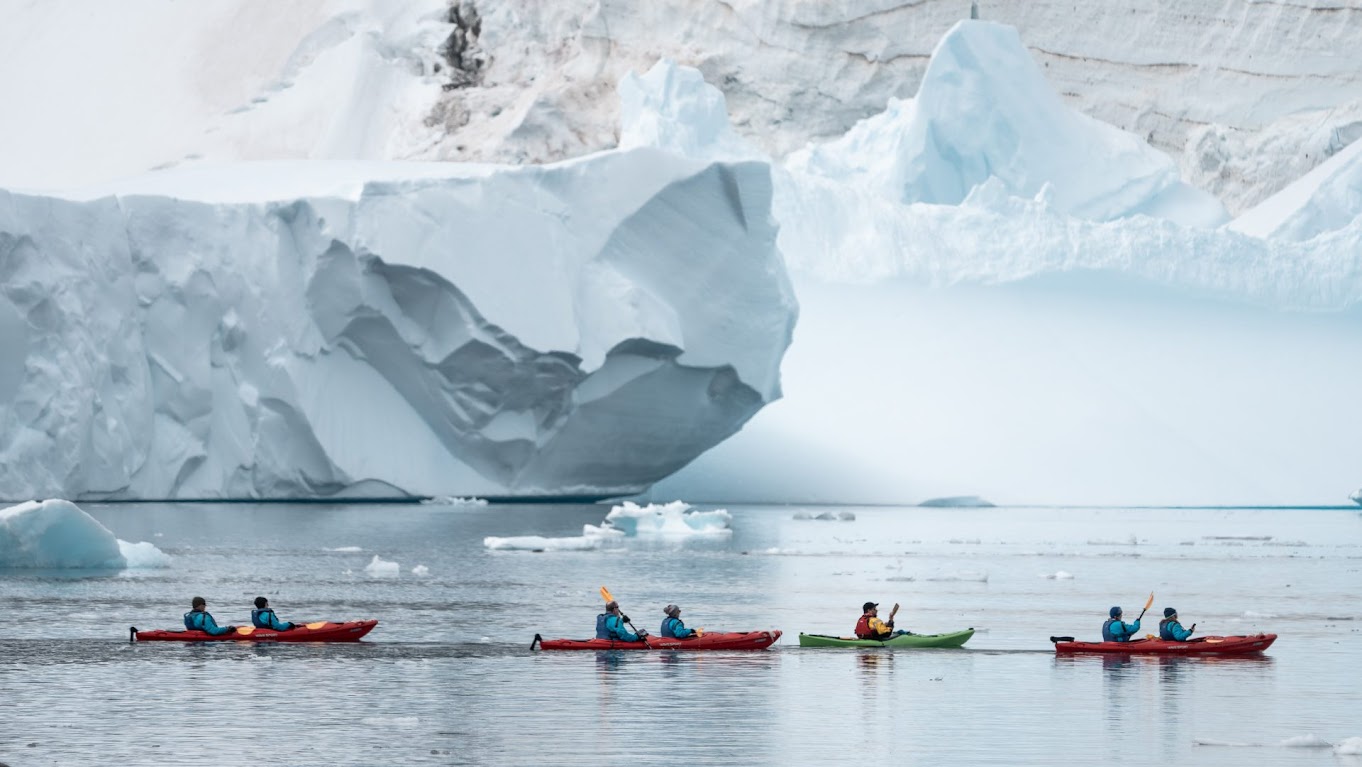
- Multiple zodiac landings per day in Antarctic waters, weather permitting
- Wildlife encounters at close range - penguins within arm’s reach on shore, whales surfacing alongside the zodiac
- Onboard lectures from scientists, naturalists, and historians who know this continent deeply
- Comfortable cabins, excellent food, and a genuine sense of community among fellow travelers
The “entry-level” label is about access and approachability, not difficulty or quality. The quality is extraordinary. The entry-level framing simply means that virtually anyone with reasonable fitness and a tolerance for cold weather can do this.
The Drake Passage
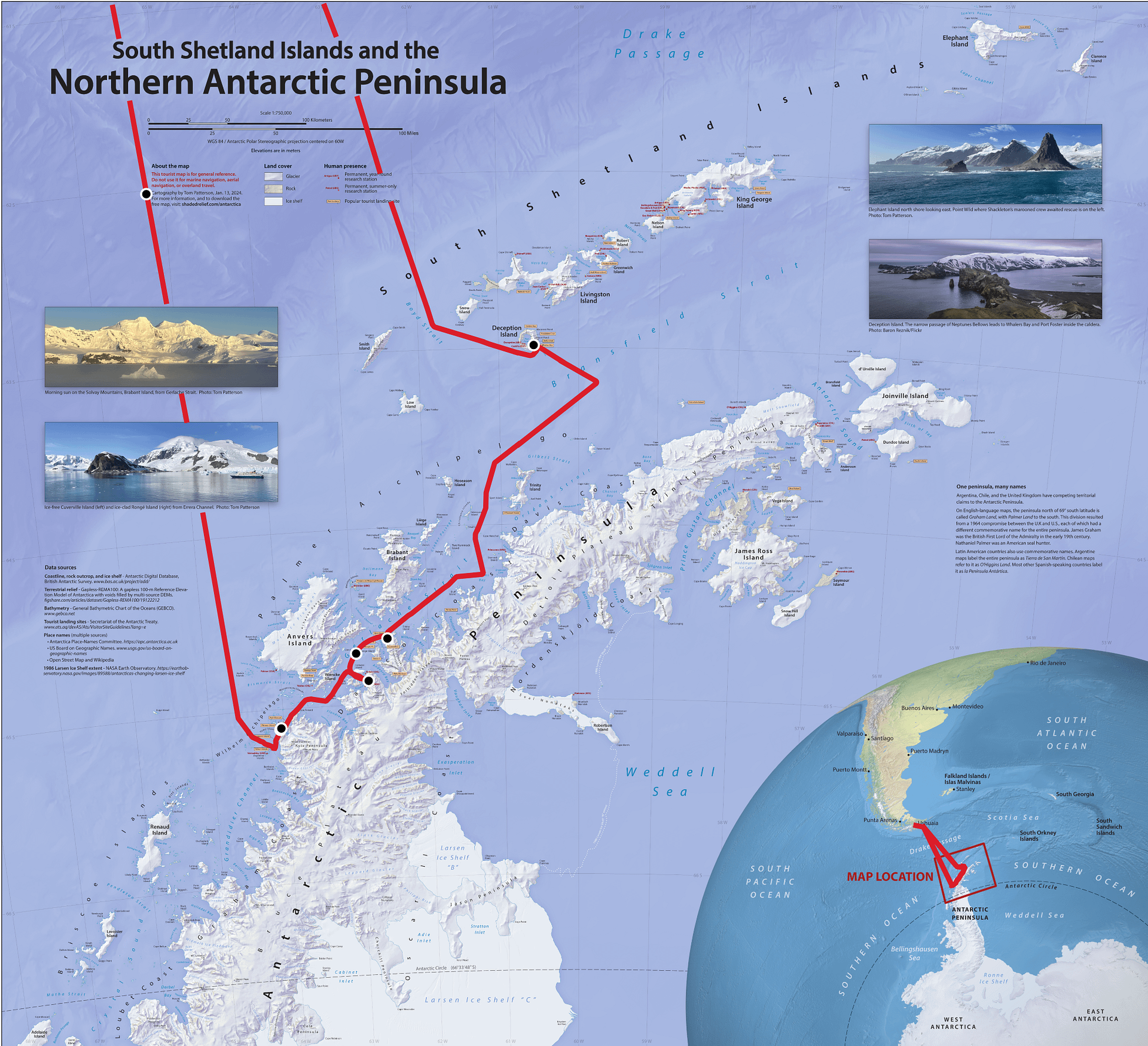
No Antarctica trip review is complete without addressing the Drake Passage - the roughly 800-mile stretch of open ocean between Cape Horn and the Antarctic Peninsula, widely regarded as the roughest sea crossing on Earth. The stories are legendary. The reality, at least for us, was this: two days each way across some of the most dramatic ocean anywhere, and ours was relatively calm in both directions. Sailors call this the “Drake Lake.”
Not everyone gets that luck. A rough Drake is a genuine thing - large waves, significant ship motion, and a day or two of feeling off. But even a rough Drake is temporary. It lasts two days each way, and the payoff on the other side is absolute. The Drake should not be a reason to skip Antarctica. It should be understood as part of the experience - a two-day overture to one of the great landscapes on Earth.
Wildlife That Defies Description
I have tried, across several posts in this series, to articulate what Antarctic wildlife is like. The honest answer is that it doesn’t translate well to text. Penguins in numbers that are genuinely hard to grasp photographically - hundreds of thousands in some colonies, covering rocky beaches from the waterline to the snowfield. Humpback whales surfacing within meters of the zodiac, exhaling in great clouds of spray, rolling their enormous bodies back into the deep. Orcas in the distance, their distinctive fins cutting the water. Leopard seals draped on ice floes with the posture of animals that have no natural predators and know it.
The scale of Antarctic wildlife is something you don’t fully understand until you’re standing in it. Photos capture individual moments. They can’t capture the cumulative experience of being somewhere that feels genuinely alive in every direction.
Should You Go?
If you’ve been wondering whether Antarctica is realistic for you, the honest answer is: probably yes. Entry-level expeditions like this one exist specifically because the interest is there and the barrier should be access, not mythology about extreme difficulty. The only real requirements are:
- Reasonable physical fitness (zodiacs require stepping over sides; some landing sites have uneven terrain)
- Comfort with cold, wet, outdoor conditions for several hours at a time
- A genuine tolerance for the unexpected - conditions change, schedules flex, and that’s a feature
- Willingness to be genuinely moved by a place unlike anywhere else on Earth
The planning, the gear debates, the Drake Passage anxiety - all of it recedes within hours of your first zodiac landing. What remains is the experience itself. And that is something we will carry for a very long time.