What Camping in Antarctica Really Is
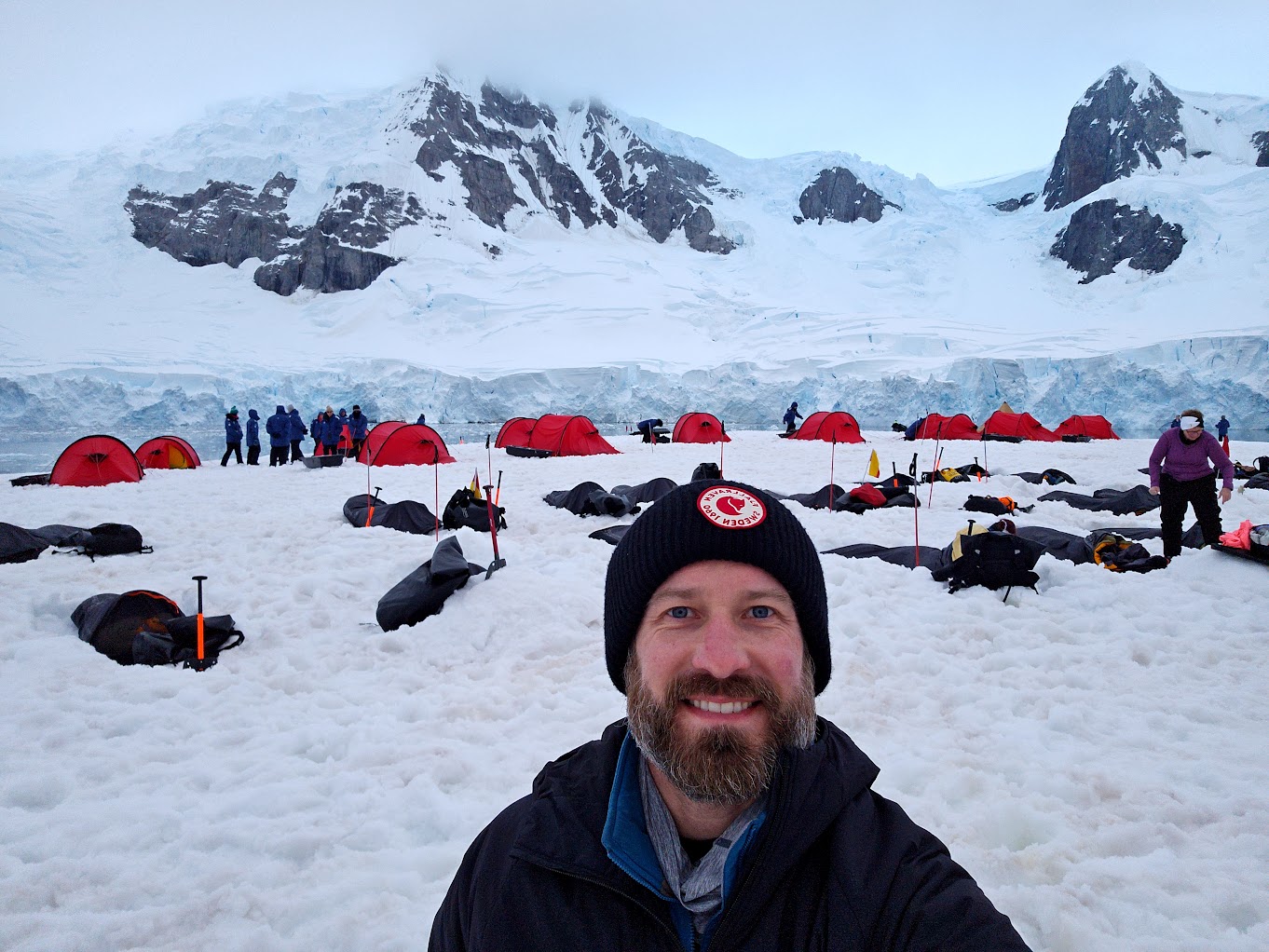
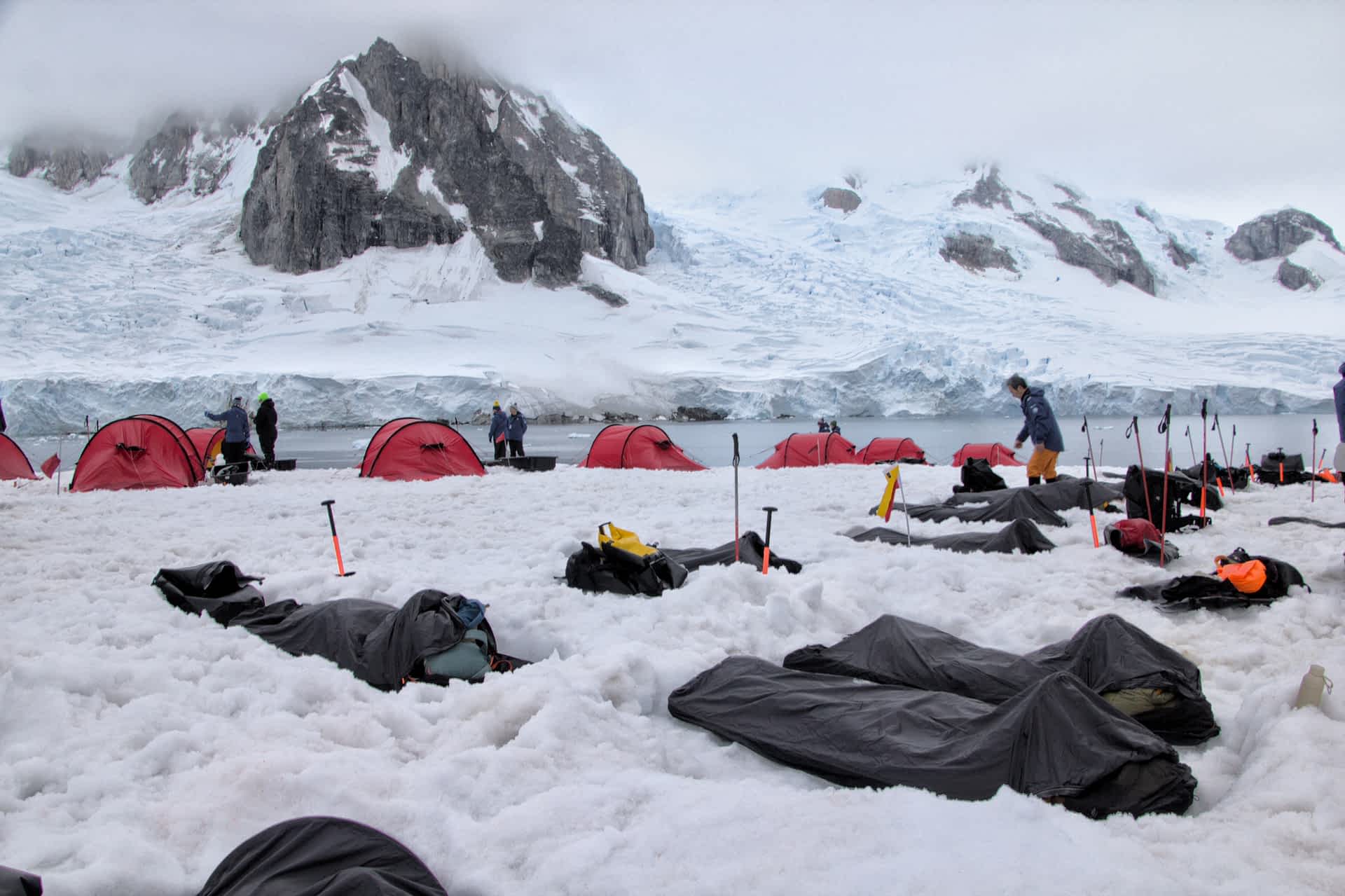
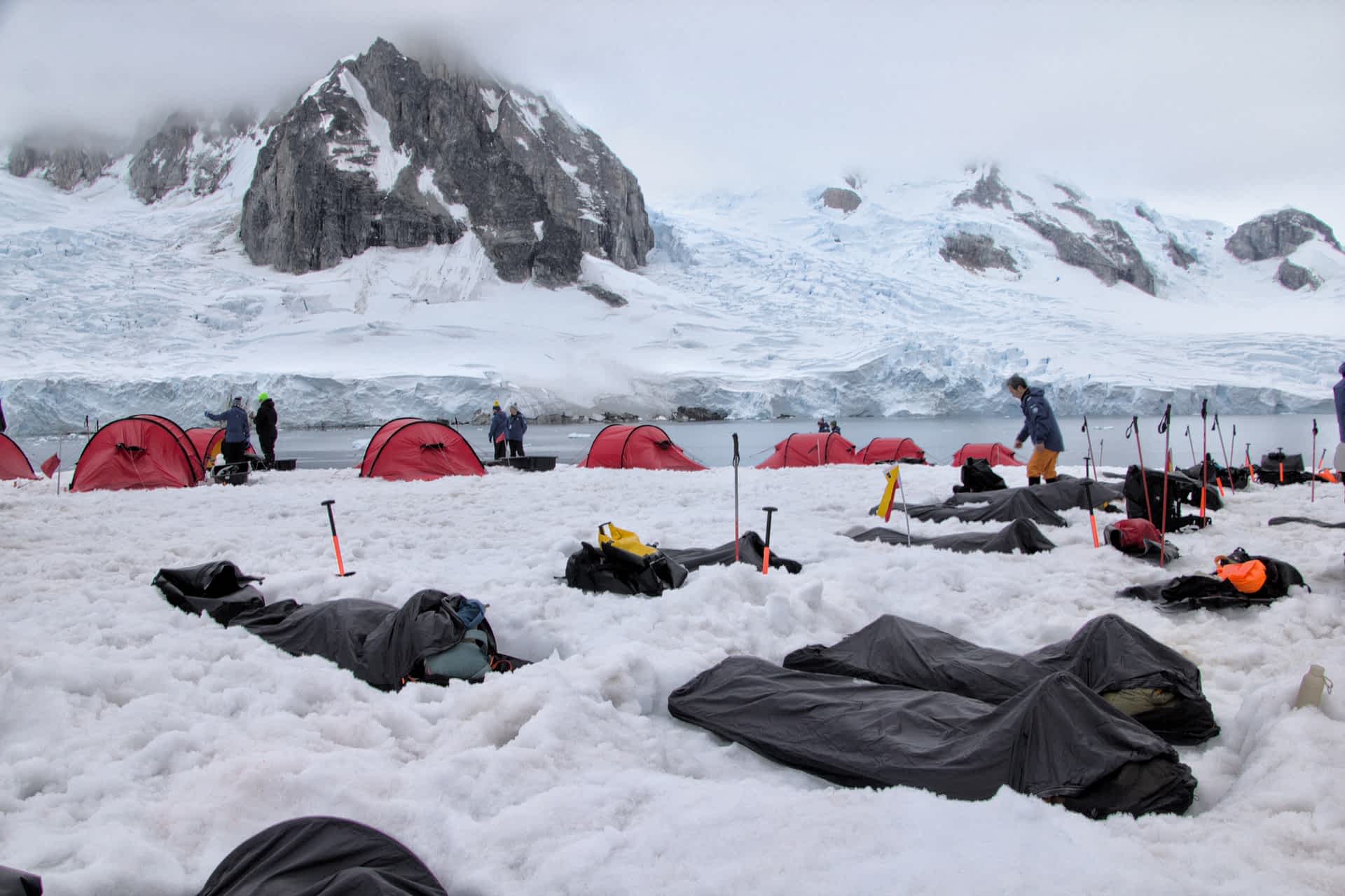
This is not “camping” like a national park campground with a fire and a tent. It’s an intentional, stripped-down night outdoors in a controlled environment, managed by the expedition team. You bring what you need for warmth and comfort, you follow strict rules, and you sleep in a bivy while Antarctica does what it does: wind, quiet, shifting light, calving glaciers, and a level of stillness that feels almost unreal.
Why We Chose to Do It
We were on an entry-level itinerary and wanted an experience that pushed us out of our comfort zone. We also liked the idea of seeing Antarctica without any walls between us and the place itself. If a ship gives you a front-row seat, camping gives you the stage.
How It Typically Works
Selection and Briefing
Not everyone camps. Demand is high, so there’s a lottery system - and conditions matter. We didn’t know what night we were camping until the morning of. The team explains expectations, safety, and what you can and cannot do.
Gear and Packing
This is where success is decided. The goal is not luxury - it’s staying warm and dry and keeping your setup simple. A practical mental model: stay dry, block wind, keep heat in, do not overcomplicate it.
Zodiac Transfer and Setup
You land, pick your spot as directed, and set up your bivy. You quickly learn that “small tasks” take longer with gloves on and wind in your face.
The Night
This is the entire point. You are not entertained. You are not scheduled. You are just there.
The Moment That Sold It
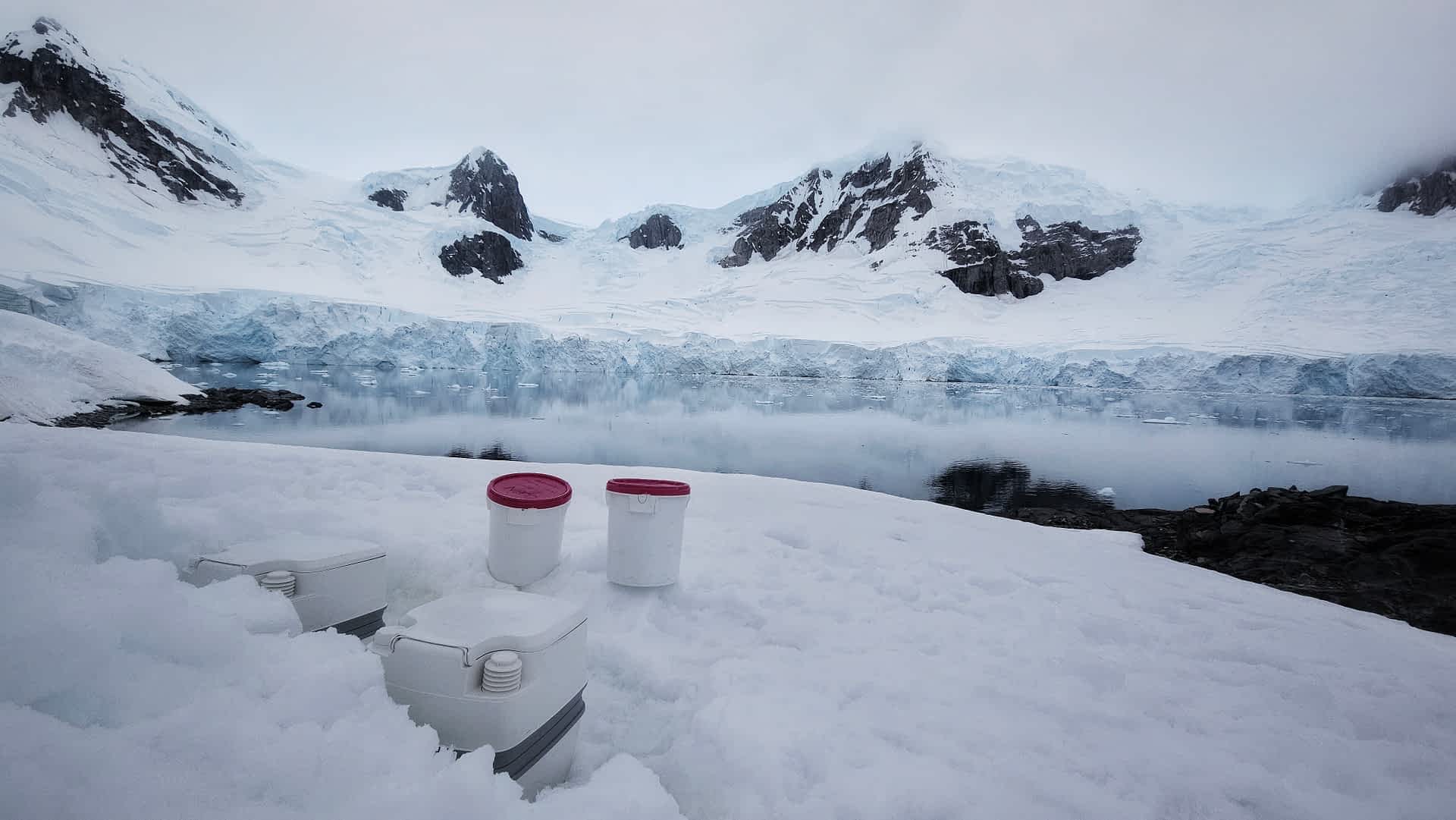
There was a point after we settled in when everything got quiet enough that the soundscape basically disappeared. No engine noise. No music. No voices. Just the faint movement of air and the occasional distant sound you couldn’t quite identify. It felt like the world had been muted.
That moment was the payoff: the realization that you are sleeping in Antarctica, outside, and it’s not a movie set.
Comfort and Reality Check
You may not sleep perfectly. Many people don’t. That doesn’t make it a failure. I slept soundly for a solid 4 hours - and loved every minute of it. Cold management is the real skill. The temperature is only part of it. Wind and dampness change everything. The experience is emotional as much as it is physical. People come back quiet, reflective, and a little proud.
Do It If…
- You want a peak memory, not a perfect night of sleep
- You tolerate cold reasonably well
- You can follow rules and keep your setup minimal
- You like stories that start with “You won’t believe this…”
Skip It If…
- You need guaranteed sleep to enjoy your trip
- Cold makes you miserable quickly
- You’re already feeling physically run down
- You prefer comfort to novelty (nothing wrong with that - the ship is excellent)
What We Learned
- The best gear is boring gear: layers, dryness, and wind protection beat fancy gadgets.
- Keep your setup simple. Complex equals frustration in wind with gloves on.
- Mentally separate “sleep quality” from “experience quality.” The experience can be 10/10 even if sleep is 4/10.
- Bring a mindset of humility. Antarctica is not here to accommodate you.
- Take one or two photos early, then stop. The point is presence, not proof.
Thinking About Antarctica?
Camping is typically an add-on or optional activity, not guaranteed every sailing. It depends on conditions and itinerary. If camping is a must-have, choose sailings where it’s offered and build a plan around likelihood rather than a promise.
If you’re on an entry-level itinerary, camping can be the signature moment that makes the trip feel like a bigger expedition without adding extra weeks.
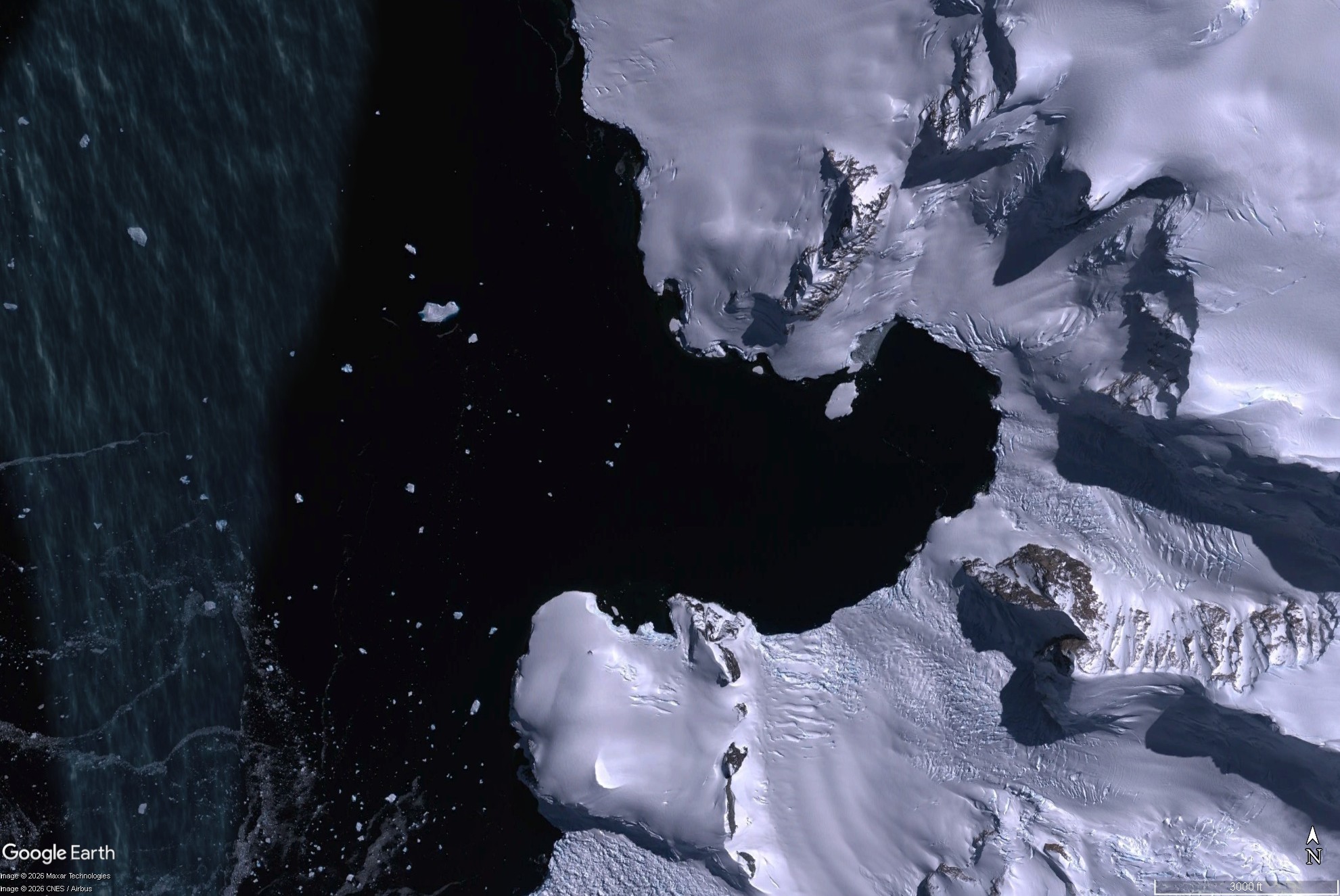
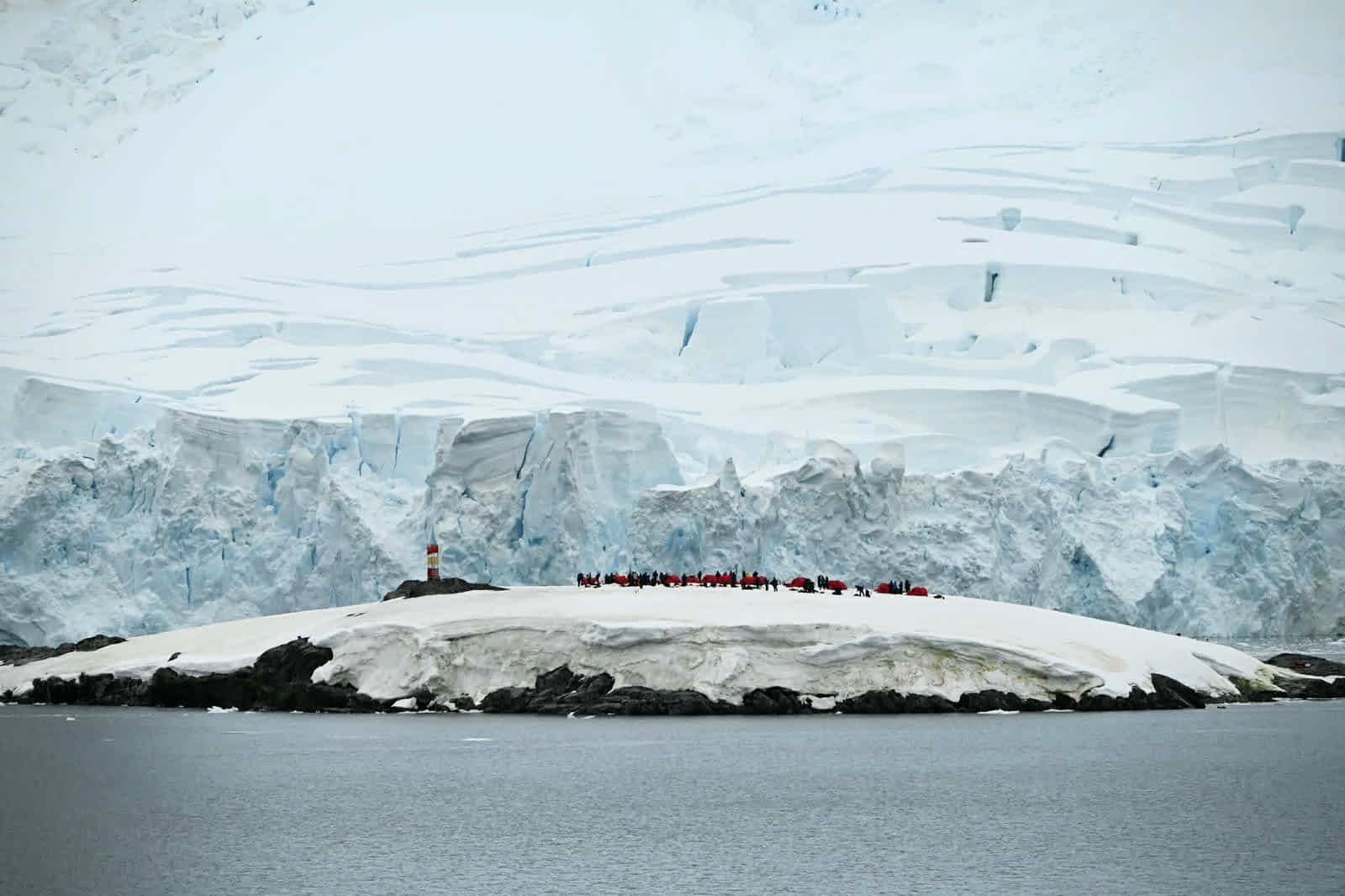
Where We Went
Is Antarctica on Your List?
Share your travel style - comfort-first vs. adventure-first, your tolerance for cold, and whether you care more about sleep or story. We’ll point you toward the right itinerary level and the right add-ons so the trip fits you, not the other way around.