Why Multi-Generational Travel Is Worth the Effort
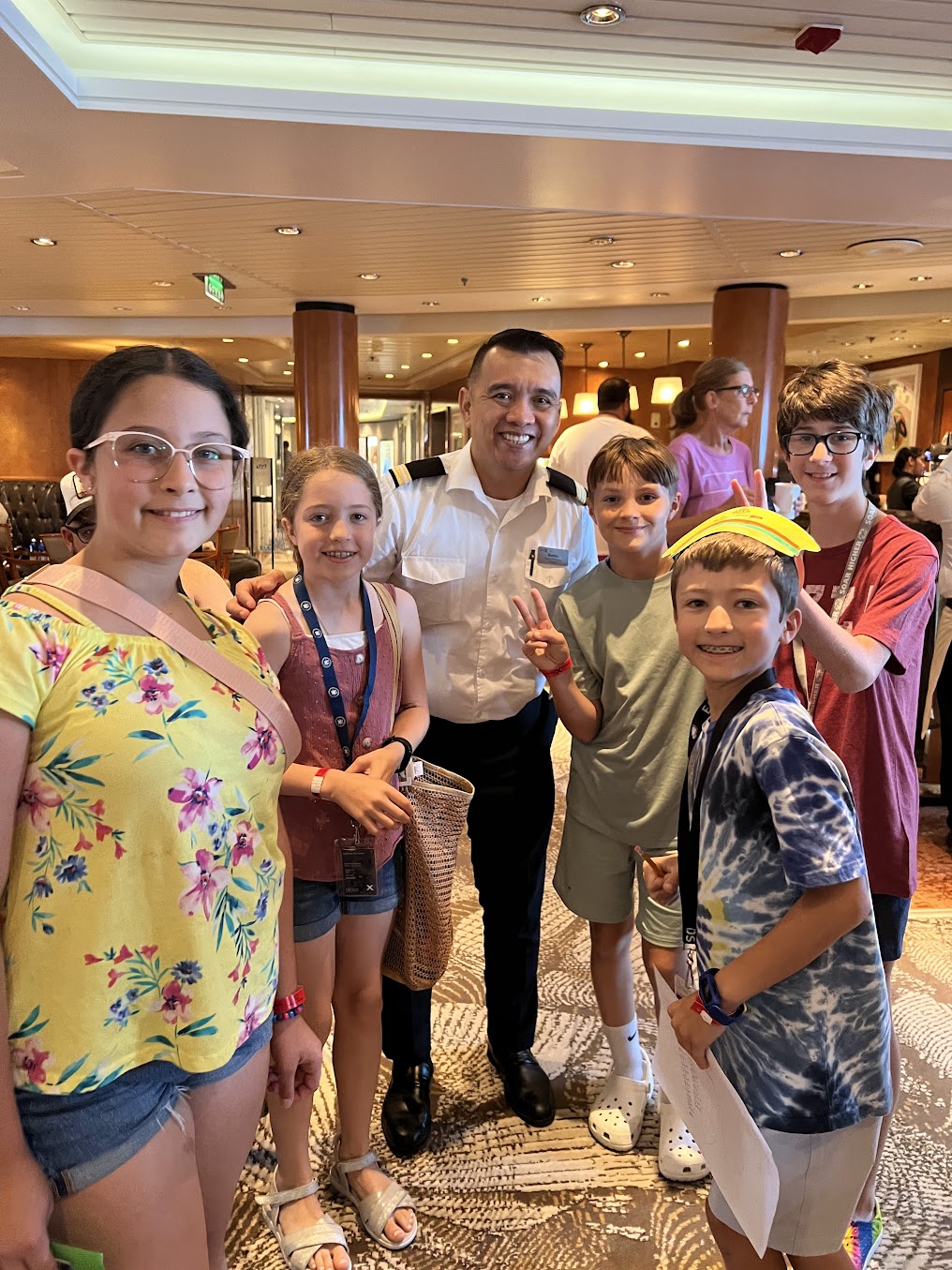
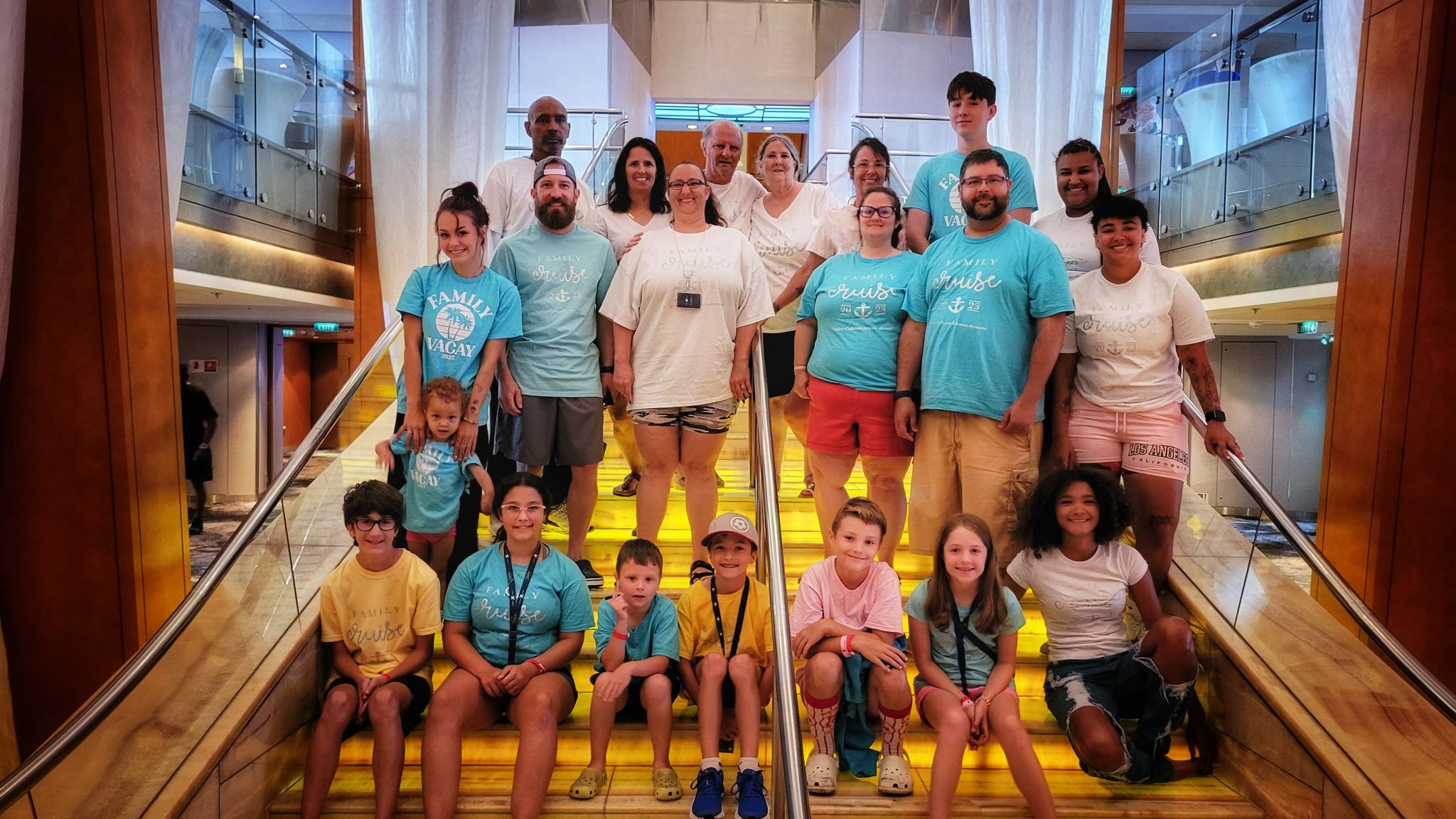
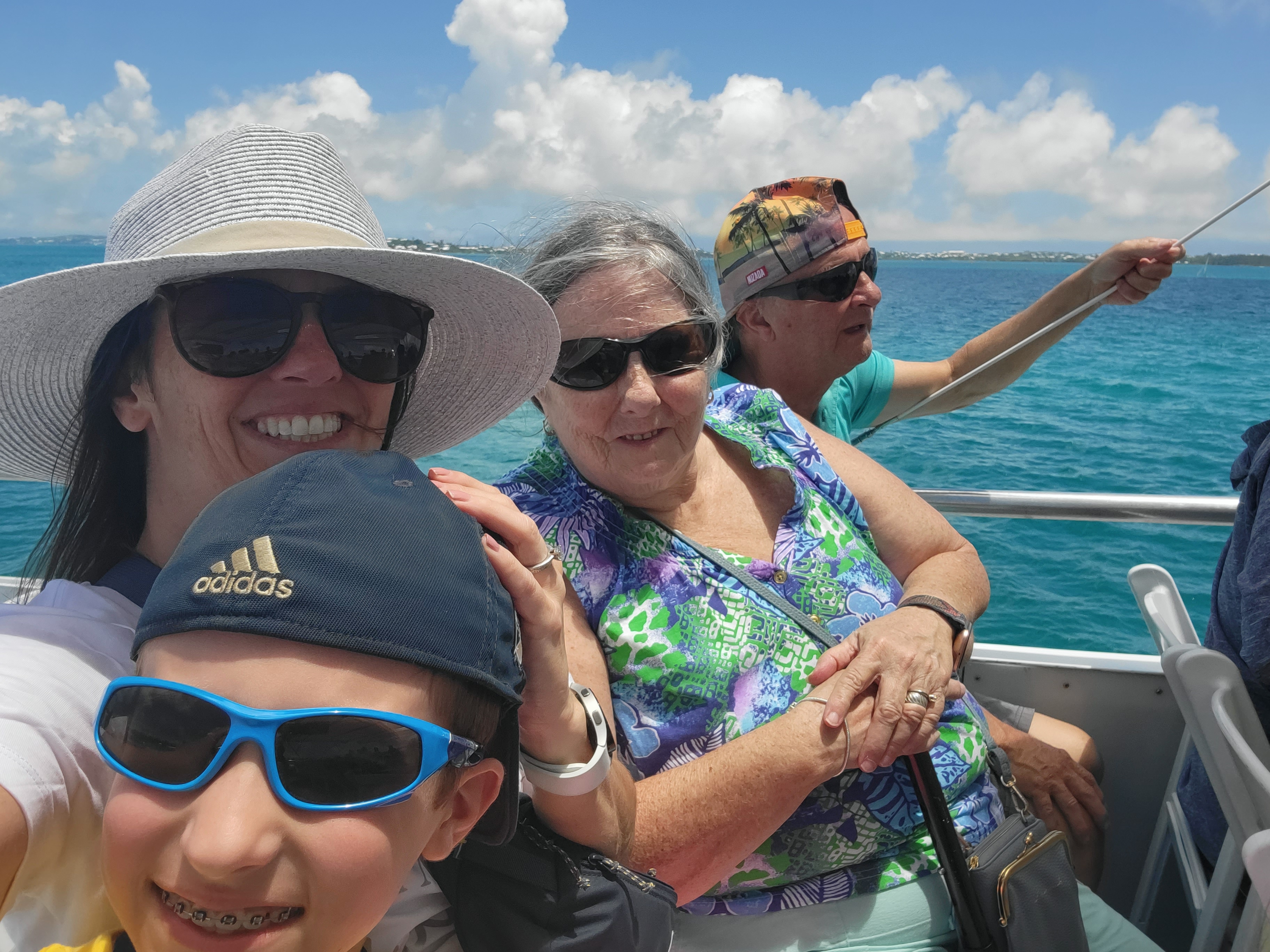
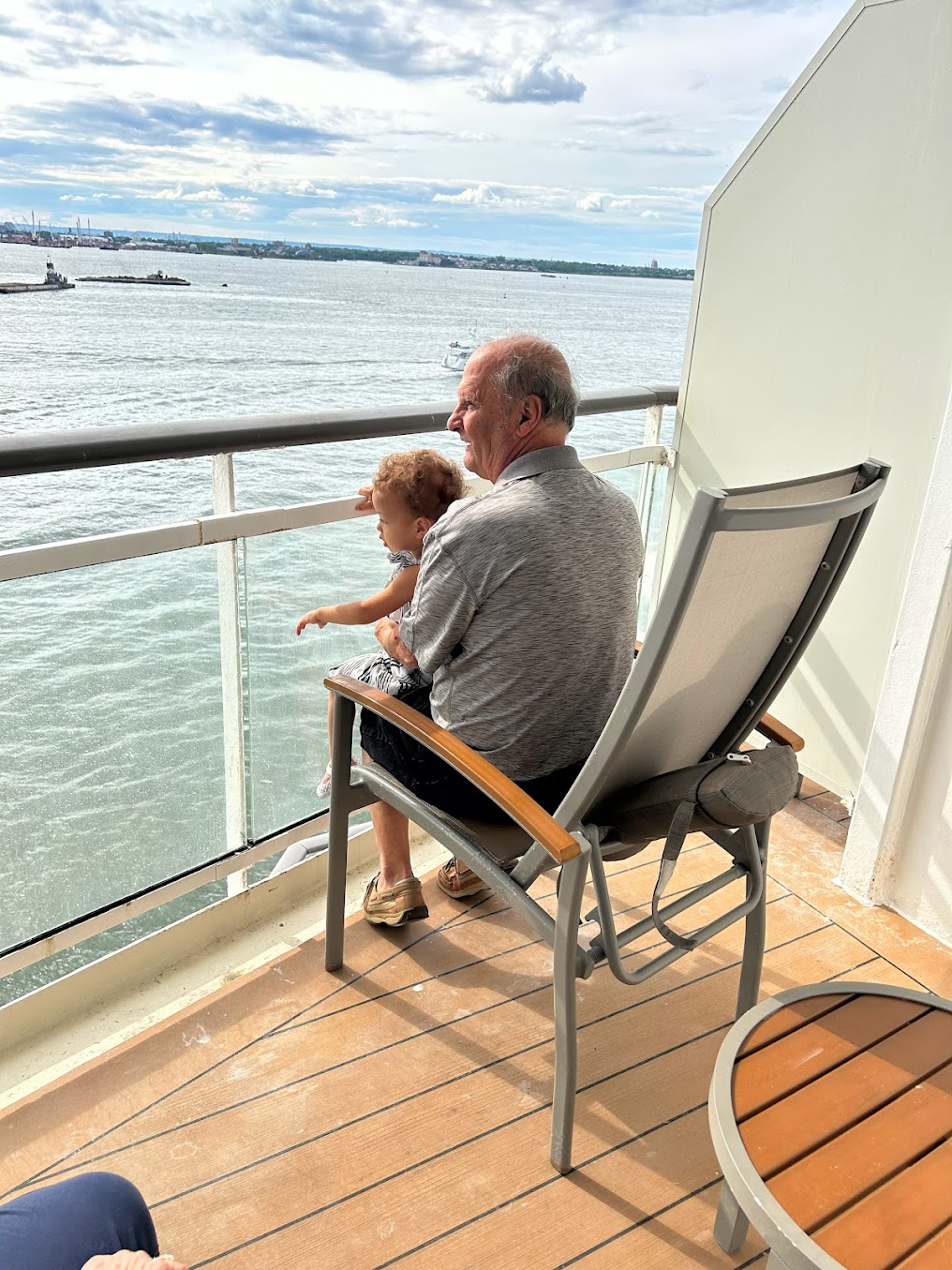
There is something that happens when you take three generations out of their separate homes and daily routines and put them in the same place, facing the same new experiences together. Grandparents and grandchildren find common ground. Parents step back and watch relationships form that could not form at a holiday dinner table. Everyone sees each other differently when they are navigating a new city or sitting on a beach halfway across the world.
We have planned dozens of multi-generational trips for clients, and the feedback is always the same: it was harder to organize than a regular vacation, and it was worth every bit of that effort. The memories created on these trips are the kind that get talked about for decades.
The Core Challenge: Different Needs, One Itinerary
Multi-generational travel fails when one group dominates the planning and everyone else tolerates the result. Toddlers need naps and early dinners. Teenagers want freedom and Wi-Fi. Grandparents may have mobility limitations, dietary needs, or a preference for pace that differs from the family with young kids. Getting this right requires genuine listening before the planning even starts.
Before we book anything for a multi-generational group, we ask every segment of the family what they genuinely want from the trip. Not what they think everyone else wants. Not what sounds polite. What would actually make this trip meaningful for them. The answers shape everything.
Choosing the Right Destination
Not every destination works for every generation. A resort with multiple pools, accessible pathways, and a range of dining options is more forgiving than a backpacking route through Central America. That does not mean you have to sacrifice adventure, it just means you need to think carefully about accessibility, pacing, and the range of activities available.
Some destination types that consistently work well for multi-generational groups:
- All-inclusive resorts with distinct kids, family, and adult areas so everyone has their space
- National park trips where activities range from a gentle half-mile stroll to a full-day hike and everyone can participate at their own level
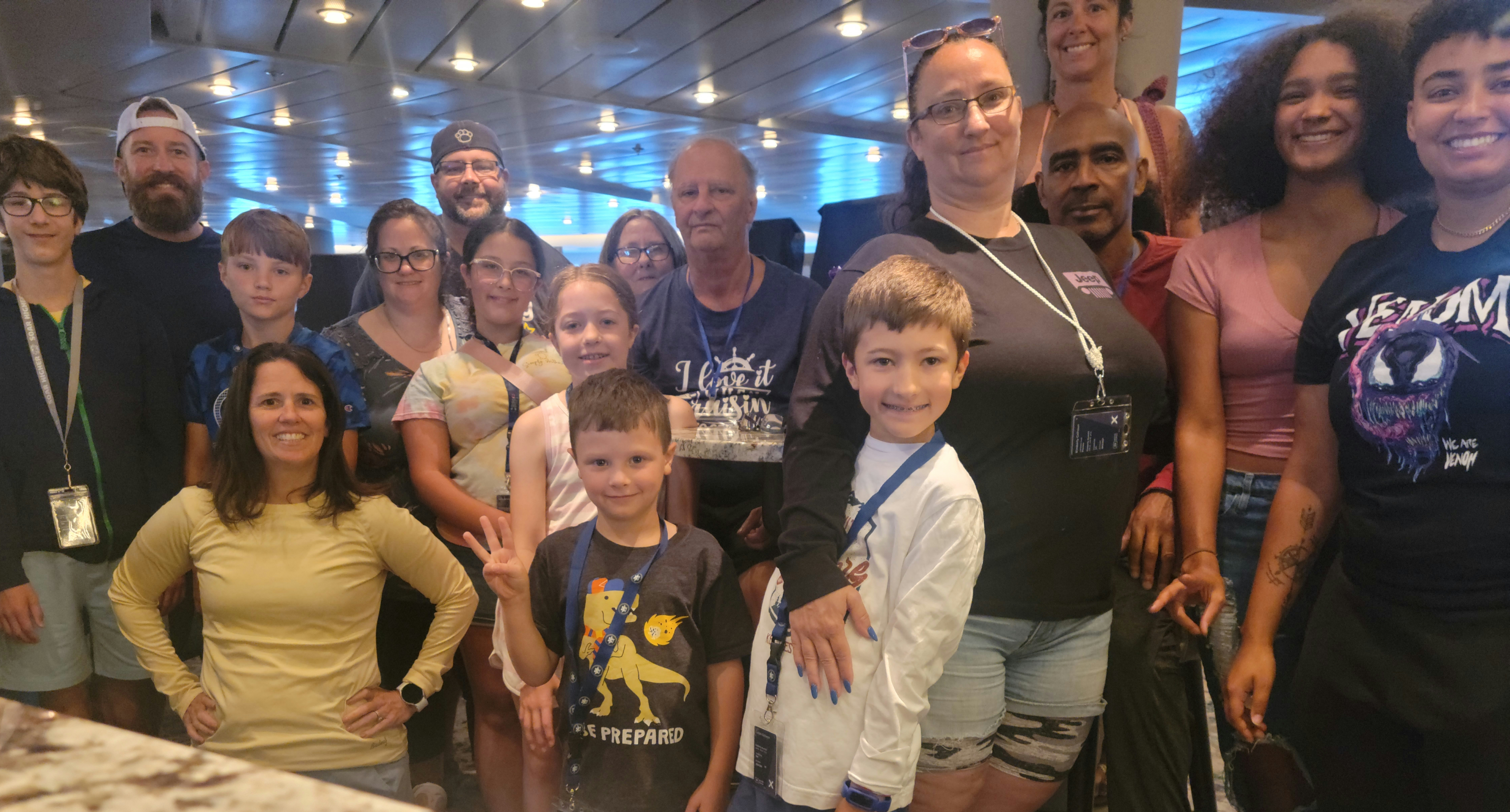
- River and small-ship cruises where everything happens at a single destination each day, eliminating the logistics that strain older travelers
- Beach destinations with a home base like a large rental house, which gives the group privacy, shared meals, and flexibility
- Major European cities with excellent infrastructure, accessible transit, and world-class cultural experiences for every age
Accommodation: The Home Base Makes the Trip
This is where multi-generational trips succeed or fail more than anywhere else. Trying to coordinate multiple hotel rooms across a property is logistically exhausting and socially isolating. Whenever possible, book a single large property, a villa, a vacation home, or a cruise cabin block, that keeps the family genuinely together.
When a large villa rental is not feasible, look for hotels with connecting rooms, suites with shared living spaces, or properties where rooms are clustered on the same floor. The goal is easy access to each other without being on top of each other. That balance is what makes the trip feel like a family experience rather than a group of individuals who happen to be in the same city.
The trip your family will talk about for twenty years is not the one where every activity was perfect. It is the one where everyone genuinely felt included.
Building an Itinerary That Works for All Ages
The most successful multi-generational itineraries share a few characteristics:
- Anchor activities that everyone does together, even if the pace differs
- Planned separation time so each sub-group can do what they love without dragging reluctant family members along
- Flexible meal plans that account for different dietary needs, energy levels, and desired dining experiences
- Designated downtime built into every day, not added as an afterthought when someone hits a wall
- A point person for logistics so questions and decisions do not become group debates at the wrong moment
Money: Have the Conversation Early
Few things derail a multi-generational trip faster than unspoken assumptions about who is paying for what. If grandparents are treating the family, what does that include? If costs are being split, how? Is the family with three kids expected to pay the same as the couple traveling as two?
There is no universal right answer. What matters is that everyone is on the same page before departure. I recommend a brief, direct conversation during the planning phase that addresses the major cost categories: accommodation, meals, excursions, and transportation. It takes ten minutes and prevents weeks of awkwardness.
Practical Tips From the Field
- Book accessible rooms even if not currently needed; stairs become a bigger issue than expected after a long travel day
- Hire a local guide for at least one activity; they can adapt the experience to your group in real time in a way no app or self-guided tour can
- Assign each sub-group one planning decision so everyone has ownership and investment in at least one part of the trip
- Build in a group dinner early in the trip to reconnect and recalibrate expectations
- Give teenagers a budget and some solo time within safe parameters; it makes them better travel companions for the rest of the trip
Multi-generational travel is one of the most complex things we plan, and one of the most rewarding. When it works, it creates something you cannot manufacture any other way: shared experience across three generations, in a place none of you would have chosen alone, together. That is the gift worth planning for.
Planning a Multi-Generational Trip?
We have coordinated trips for groups of every size and combination. Let us help you find the destination, accommodation, and itinerary that works for everyone, from the youngest to the oldest.