What Travel Teaches That School Cannot
No curriculum teaches a child what it feels like to hear a language they do not speak, to taste food they have never encountered, or to realize that a family on the other side of the world shares the same laughter around a dinner table that theirs does. These experiences build something in children that no textbook can replicate: a genuine understanding that the world is large, diverse, and worth engaging with.
Our kids have grown differently from travel than from any other experience we have given them. They are more patient with ambiguity. They problem-solve more creatively when plans fall apart. They ask better questions. These are not small things. They are life skills formed in motion.
Making Learning Intentional Without Making It Tedious
There is a trap parents fall into where the desire to make travel educational turns every museum visit into a quiz and every dinner into a history lecture. Children learn best through experience and conversation, not through structured tests in disguise. The goal is not to make travel school. It is to let travel do what it does naturally, and then follow the child’s curiosity.
When our daughter stood in front of a Roman ruin and asked why the columns were broken, that question led to a twenty-minute conversation about time, civilization, and impermanence. We did not plan that. We just showed up, and the place did its work. The best family travel learning moments are not engineered. They are created by being present in a meaningful place.
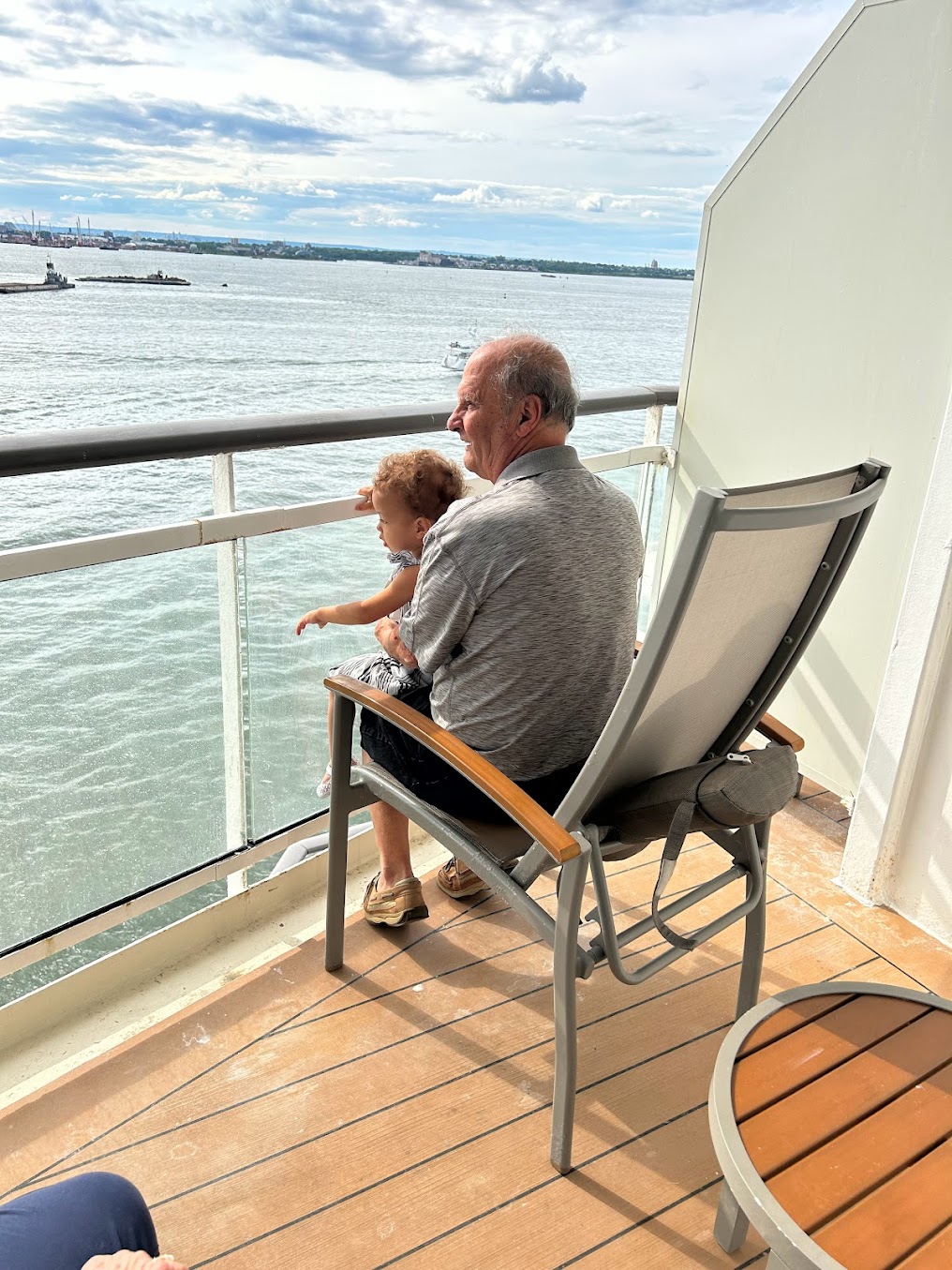
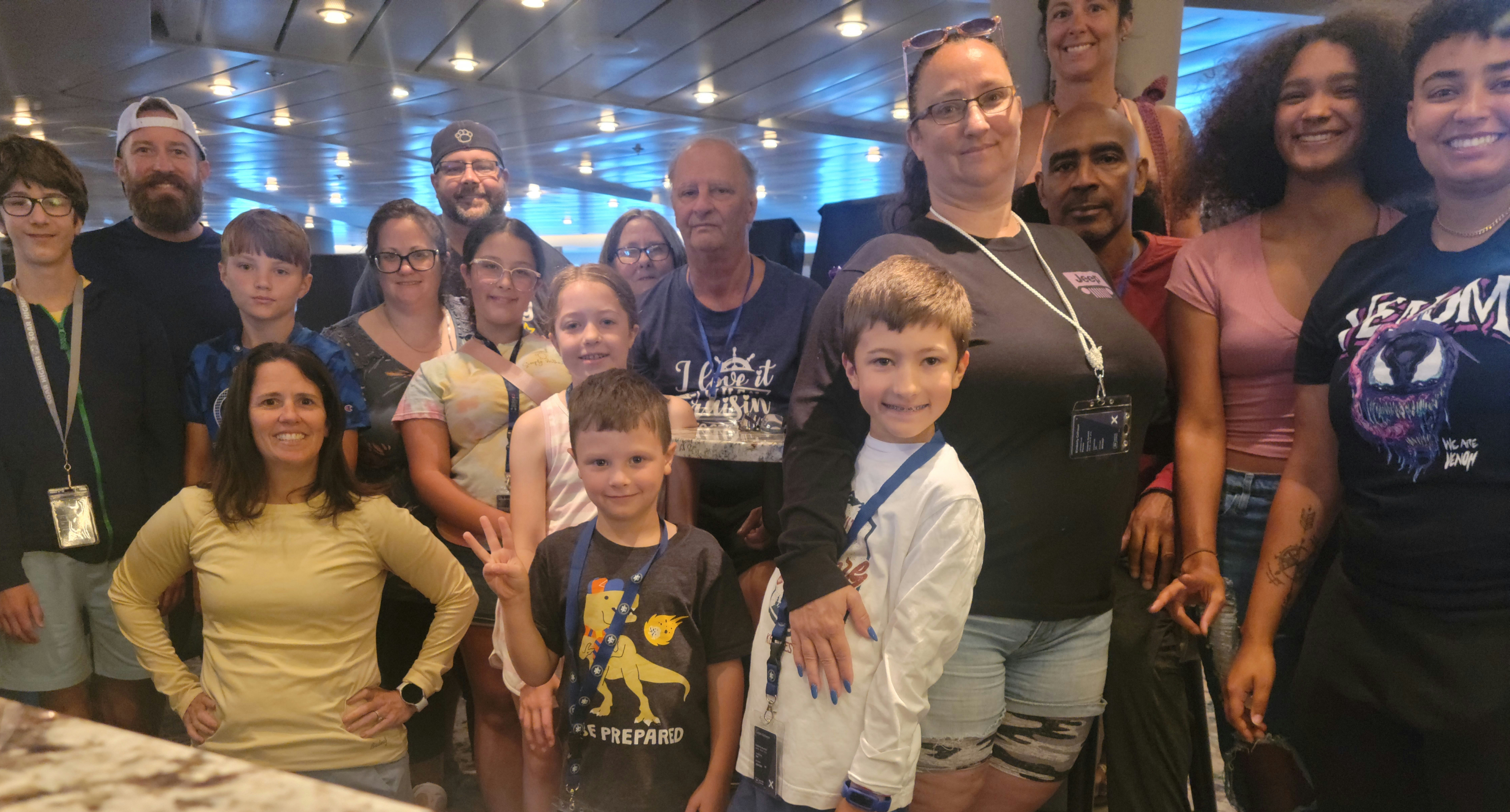
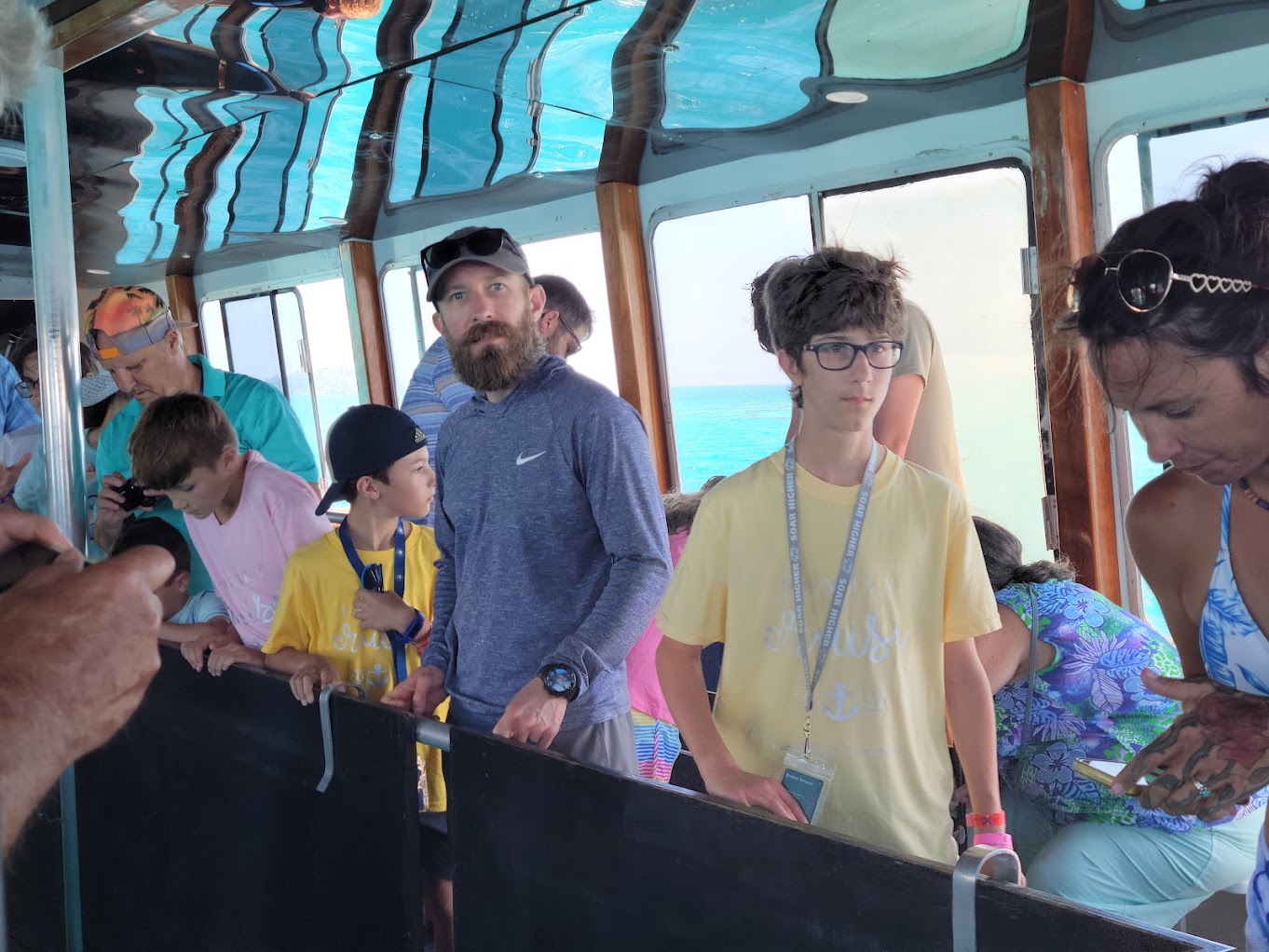
Age-Appropriate Learning Through Travel
What resonates depends entirely on age. A five-year-old at the Colosseum is going to remember the size of the stones and whether there was gelato nearby. A fifteen-year-old will want to understand the politics, the engineering, the gladiators. Meet your children where they are.
- Ages 4–8: Focus on sensory experiences, animal encounters, water, food, and wonder. Concrete and immediate.
- Ages 9–12: Introduce historical context, try a cooking class, visit a local market. They are ready for "why" questions.
- Ages 13+: Give them agency. Let them plan a day, navigate a city on transit, or choose a restaurant from a local recommendation. Responsibility builds confidence.
Travel Journals: A Simple Tool That Lasts
One of the most powerful habits we have built into our family travel is the travel journal. Each child gets a small notebook before a trip and is asked to write or draw something from each day, not a structured recap, but whatever stood out. A funny conversation. A food they loved or hated. A moment when they felt nervous or amazed.
Years later, these journals are more valuable than any photograph. They capture a child’s perspective at a specific age, in a specific place, in their own words. And the act of writing or drawing forces a moment of reflection that turns experience into memory.
A child who has stood in a foreign country, tried a food they could not name, and figured out how to say thank you in a language they just learned, carries that with them forever. That is the education travel gives that no school can replicate.
Cultural Respect as a Core Travel Lesson
One of the most important things we can teach children through travel is how to be a respectful guest. This means dressing appropriately when visiting sacred sites, learning a few words of the local language, observing local customs before participating, and being genuinely curious rather than just comparative.
Children model what they see. When parents approach new cultures with openness and humility, children internalize that posture. When parents mock or dismiss what is unfamiliar, children learn that too. Every interaction abroad is a lesson in who we are as people, and how we want to move through the world.
Practical Ways to Deepen the Learning
- Read one book or watch one film set in your destination before you go; context transforms the experience
- Visit a local school, market, or neighborhood rather than only tourist sites; this is where real culture lives
- Eat at restaurants where no menus have pictures and ask your server to recommend something
- Give each child one conversation to lead with a local, asking for directions, ordering food, or buying a souvenir
- Debrief at dinner with a simple question: what surprised you most today?
Travel with children is messy, exhausting, and occasionally frustrating. It is also one of the most worthwhile investments you will make in their development. The kids who grow up traveling are not just better travelers. They are more curious, more empathetic, and more capable of navigating a complex world. That is not a small thing. That is everything.
Ready to Plan Your Next Family Adventure?
We help families find the right destinations and experiences for their children’s ages, interests, and goals. Let’s build something worth remembering.