The Framework: What You Buy vs. What You Experience
Travel spending falls into two broad categories. There are the logistical costs: flights, hotels, car rentals, insurance. And then there are the experiential costs: the tours, the meals, the excursions, the moments. These two categories should be weighted very differently when you're building a budget.
The mistake most travelers make is over-spending on logistics and under-investing in experiences. They book a beautiful hotel they'll spend six hours sleeping in, then skip the guided excursion that would have been the highlight of the trip. The math rarely works in their favor.

Where to Spend Smart (Not More)
These are the areas where the budget version almost always delivers equivalent or comparable value:
- Mid-tier hotels in the right location. A clean, well-located 3-star hotel will serve you better than a luxury property in the wrong part of town. Proximity to what you're actually going to do matters far more than thread count.
- Rental cars. Unless you're renting for weeks at a time or in a category where quality genuinely varies, the base rental will do. Skip the unnecessary upgrades at the counter.
- Airport transfers in major cities. In most European and Asian cities, public transit from the airport is faster, cheaper, and often more direct than a private car. Learn the system before you land.
- Lunch vs. dinner. Many of the best restaurants in the world offer the same menu at lunch for a fraction of the dinner price. This is one of the great underused travel hacks.
- Souvenirs. With a few meaningful exceptions, most souvenirs are forgotten within a year. Invest in one or two quality pieces that carry real meaning rather than a bag of magnets.
Where to Splurge Without Hesitation
These are the areas where paying more consistently produces a better experience that you'll actually remember:
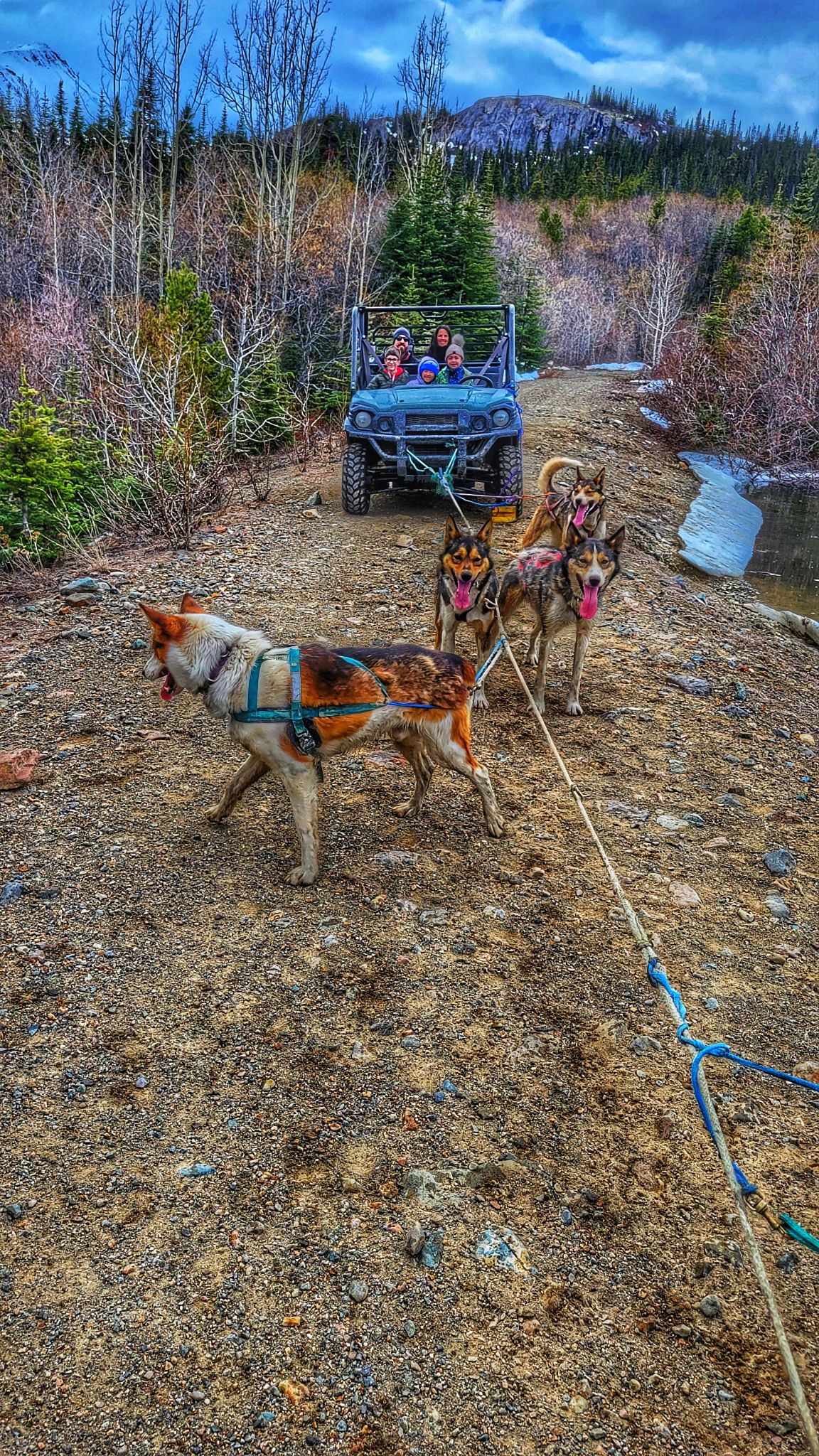
- Guided experiences with exceptional guides. The difference between a mediocre tour and one led by someone who genuinely loves their subject is not a small difference. It's the difference between information and inspiration. Pay for the latter.
- Flights for long hauls. Economy is fine for a two-hour flight. For a 10-hour overnight, the upgrade to premium economy or business class can mean arriving rested and actually enjoying the first day of your trip rather than spending it recovering.
- One great meal per destination. Every destination has a restaurant that defines its food culture at the highest level. Book a table. Eat well. This is one of the most reliable ways to understand a place.
- Travel insurance. Not a luxury. Not optional for international travel, especially with children. The cost of not having it when something goes wrong will dwarf whatever you saved by skipping it.
- Private vs. group for certain experiences. A private boat charter, a private guide at a historic site, or a private transfer for a family with young children: these shift the experience from adequate to genuinely wonderful. Pick your moments carefully.
The Accommodation Question
Hotel vs. vacation rental is the question I get asked most often. The honest answer is: it depends on your trip and your family. For a city where you'll be out all day and coming back to sleep, a good hotel in the right neighborhood wins on convenience. For a longer stay where you want a kitchen, more space, and a local experience, a well-reviewed vacation rental often provides more value.
What I don't recommend: booking the cheapest option in either category. A bad vacation rental can derail a trip in ways that a bad mid-tier hotel typically doesn't. Read reviews obsessively, stick to platforms with solid dispute resolution, and don't let price alone make the decision.
The Real Luxury: Time
The most consistent travel mistake I see families make isn't a budget mistake at all. It's overscheduling. The desire to see everything, do everything, and optimize every hour of a vacation is understandable, but it's usually the enemy of actually enjoying the trip.
Unstructured time, a free afternoon, a long lunch with no agenda for what comes next: these are the moments where real travel memories are made. Build them into your itinerary intentionally. They won't happen by accident.
The best travel investment you can make is the one that gets you fully present in a place, not just physically there. Sometimes that costs money. Sometimes it just costs letting go of the plan.
Want Help Building a Smarter Travel Budget?
We work with families at every budget level and know exactly where to find value and where it's worth spending more. Let's build a trip that delivers the most for what you have to work with.