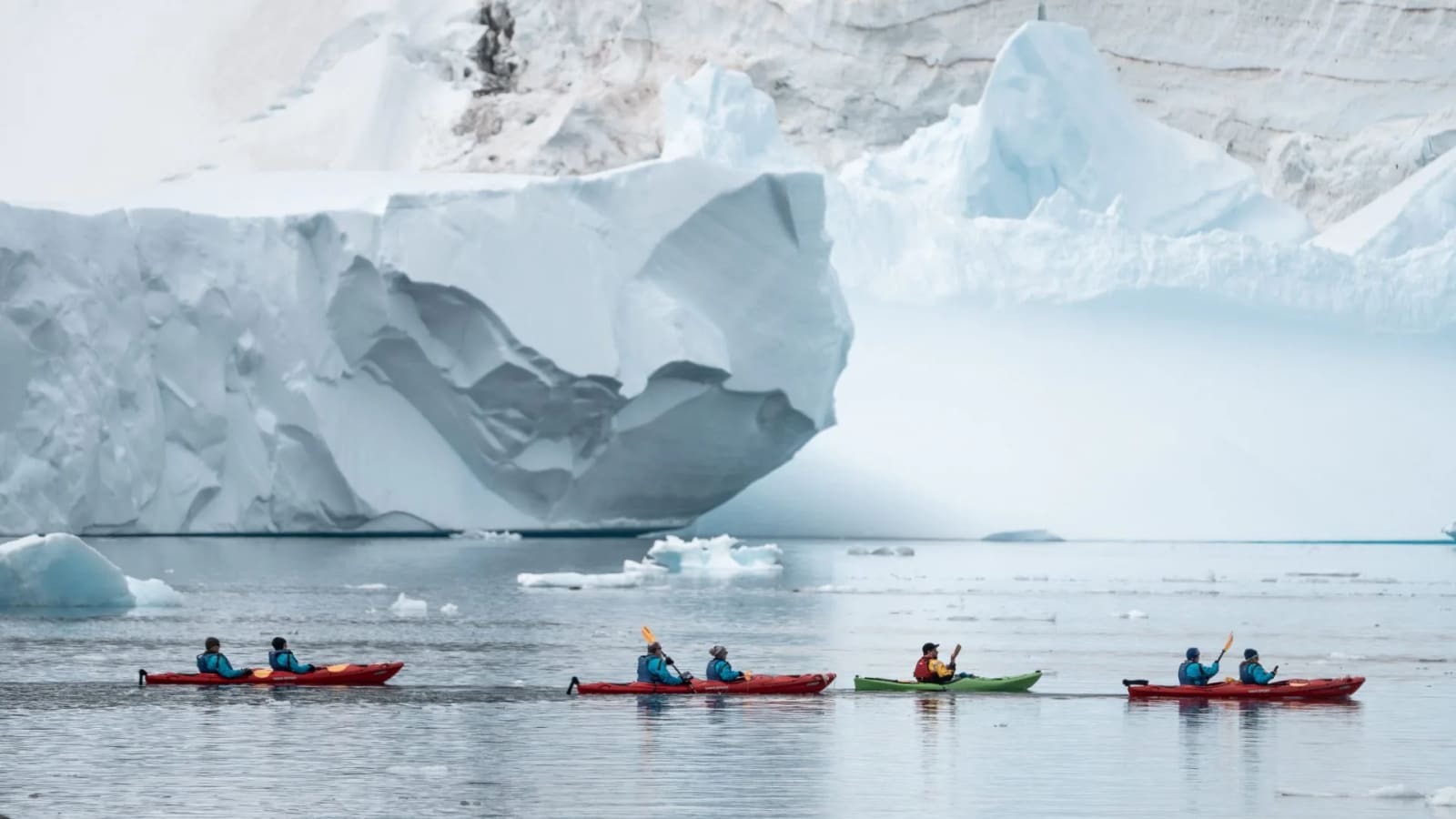
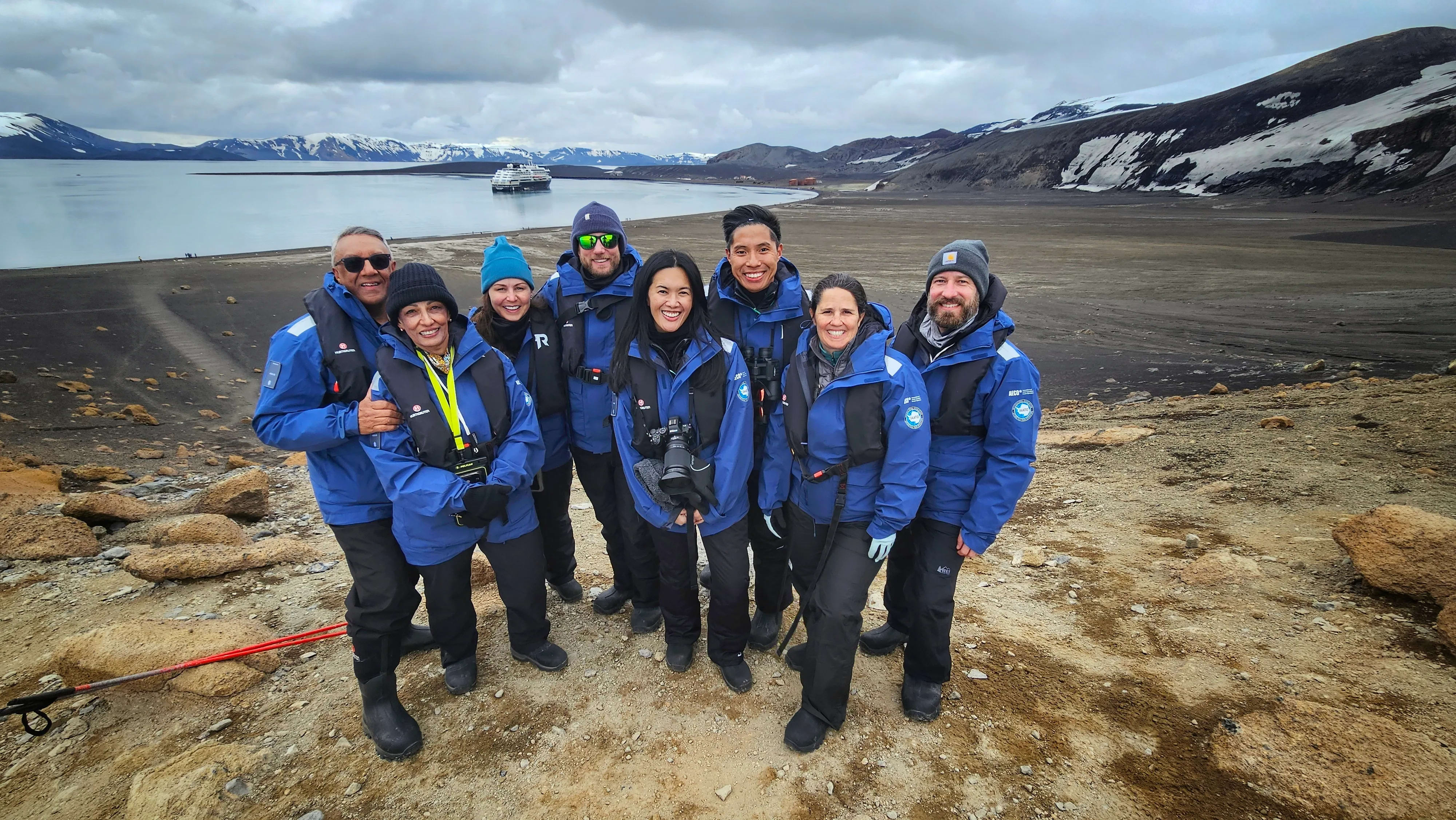
Brian and I went without the kids, and I'm glad we did our homework. But there were a handful of things I only understood once I was standing in the middle of them. This isn't a guidebook. It's the list I wish someone had handed me.
The ship matters more than the itinerary
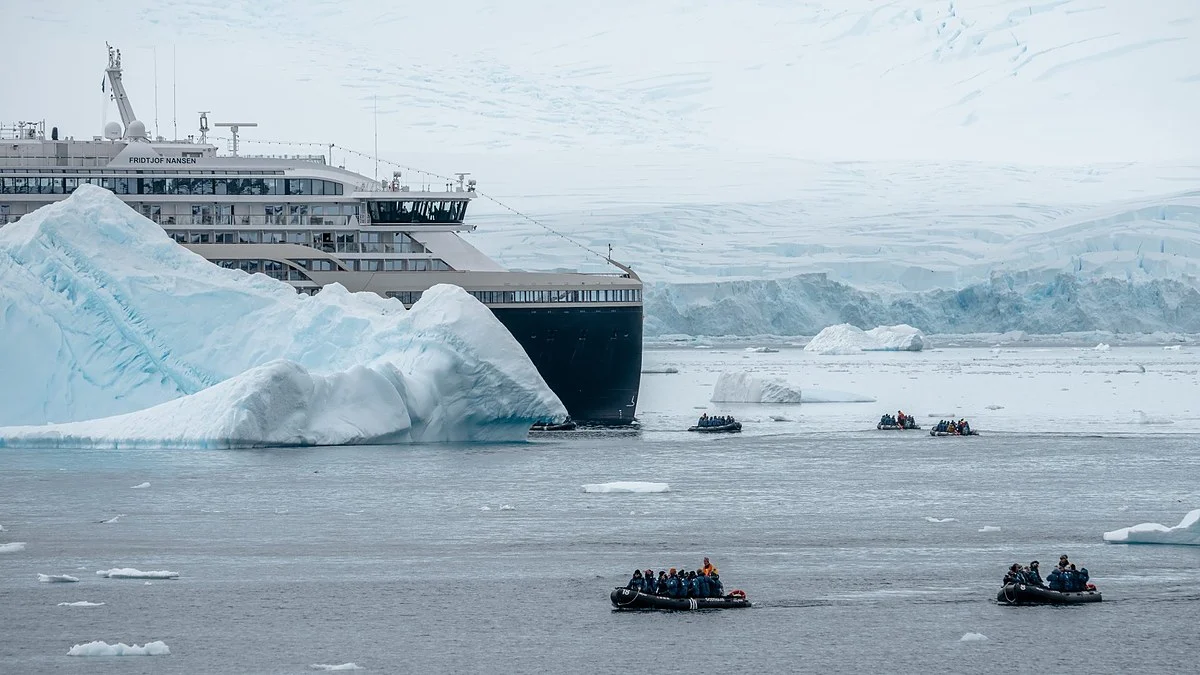
Two trips can have the same name, the same route and a very different price tag, and still feel nothing alike. The difference is mostly ship size. Antarctic landing rules cap how many people can be ashore at one time, and the largest ships don't land passengers at all. On a smaller ship, everyone gets more time on land and the days feel less like a schedule. I'd have guessed it was about the cabin. It's really about how many hours you spend with your boots on actual Antarctica.
The plan is a draft
Wind, ice and wildlife decide what happens each day, not the brochure. But one of my favorite changes had nothing to do with weather. One day we ran a few hours behind so researchers could find and collect their acoustic data collection devices. That wasn't on the itinerary. It was part of the expedition.
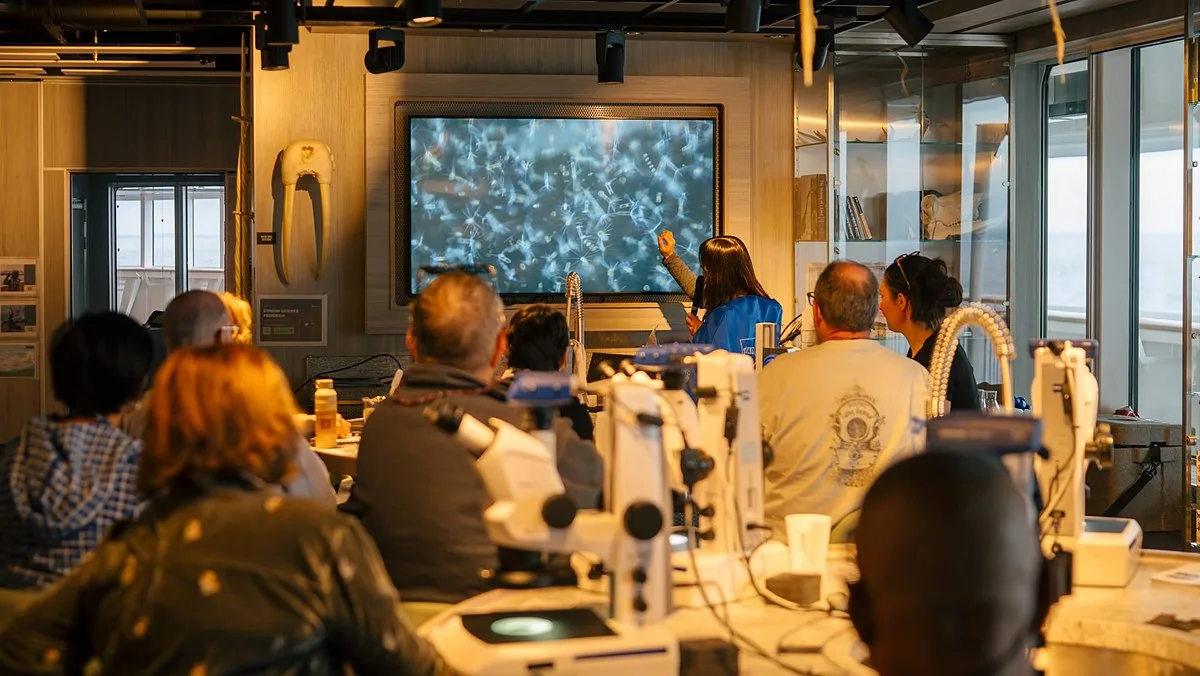
I'll be honest, that's when it clicked for me that this isn't just a tourist trip. You're sharing a ship with people who are there to do real work, and sometimes your schedule bends around theirs. And it turned out to be one of the best parts of the trip. The researchers gave a presentation afterward and shared what they'd collected, so we got to hear about it from the people who did the work.
I used to think of a changed plan as a risk. Now I think of it as the point. You're not on a tour of a fixed place. You're visiting somewhere that's still in charge, and the people who have the best time are the ones who show up curious instead of attached to a checklist.
The Drake is a coin flip, and you don't get a vote
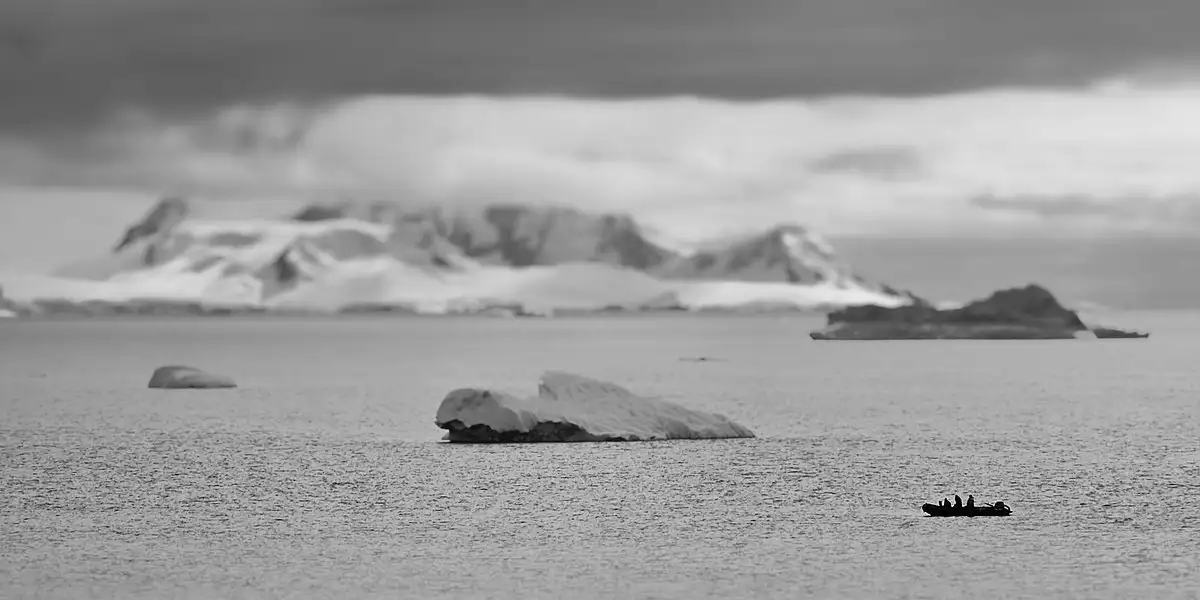
You cross the Drake Passage twice, and nobody can promise you which version you'll get. I wore the ear patch for motion sickness, and it knocked me out. I was groggy and sleepy, which is not how you want to feel while crossing one of the most famous stretches of water on earth. As it turned out, the weather was kind and I didn't need it at all.
I'm not telling you to skip it. I'm telling you to talk to your doctor before you go, and to find out how you react to it ahead of time, not for the first time on the ship. Preparing for the worst is smart. It just helps to know what the preparation costs you.
Getting there is part of the trip
You're connecting through a gateway city, and the ship sails when it sails. A delayed flight or a lost bag can turn into a serious problem. Arriving a day or two early isn't a luxury, it's cheap insurance. I'd also pay attention to who is accountable if something slips, because that's a question you want answered before you leave, not at the airport.
The boring paperwork is the important paperwork
Medical evacuation coverage isn't optional on a trip like this, and most operators expect it. Read what your policy actually covers, not what the summary page says. Also look at when your final payment is due and what the cancellation terms are. On expedition trips these dates can arrive far earlier than you'd think, and the fine print is where people get surprised.
Ask what's provided before you buy anything
It's easy to spend a lot on gear in a panic. Many expedition operators loan boots or provide a jacket, but it varies by ship, so ask first. Spend your money where it counts, which for me meant layers, good gloves and anything that kept my camera usable.
The parts I didn't expect
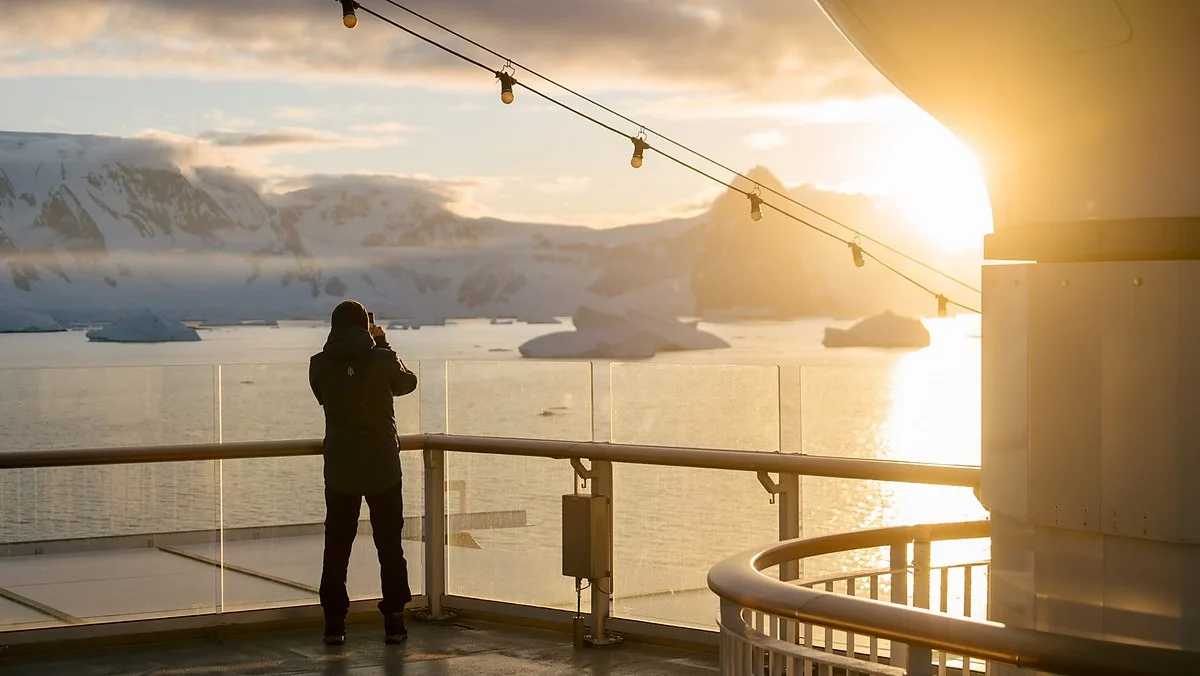
I thought I knew what Antarctica looked like. Pull up a simple map and it's a big, flat, white shape, and that's the picture most of us carry around. It's wrong. What I found was mountains, jagged and dramatic, rising straight out of the water. It's beautiful in a way the flat white map never prepared me for.
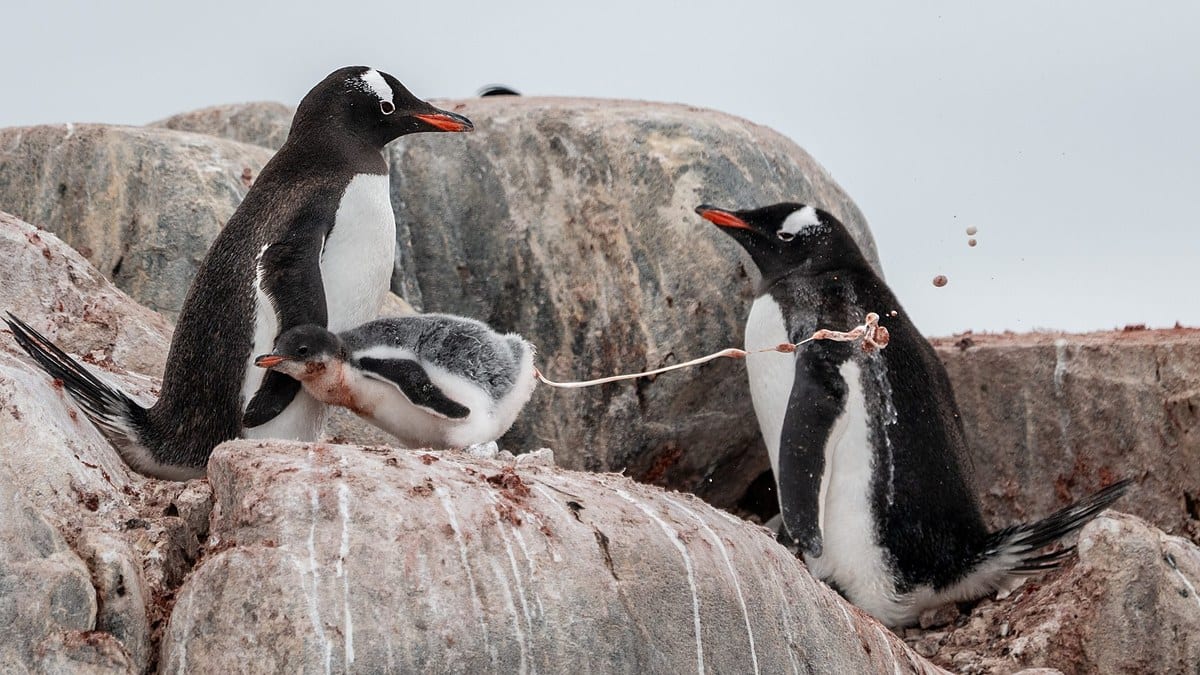
And then there's the smell.
Nobody mentioned this one. When you're standing in the middle of thousands of penguins, there's no zookeeper coming through to clean up. This is their home, not an exhibit, and you're standing in it. That includes the bathroom part. It's loud, it's busy, and yes, at times it really does smell. I wouldn't trade it for anything, but I'd have loved a heads up.
What I'd tell a friend
Antarctica isn't harder than other trips so much as it's less forgiving of guessing. A lot of the decisions that shape the experience, like ship size, timing, how you get there and what happens if something goes wrong, are made months before you board, and they're hard to see from the outside. Most of what I wish I'd known was just things that someone who'd been there before would have mentioned in the first ten minutes.
And some of the best parts of the trip can't be planned at all, which is exactly why it helps to book with someone who knows how to leave room for them.
If you're thinking about it, ask questions. Ask a lot of them. And if you'd like to talk it through, I'm happy to.
Ready to explore Antarctica?
We help adventurers plan expedition trips that match their comfort level and goals. Let's build something unforgettable.